

Historic ranch turned nature library on the South Platte River
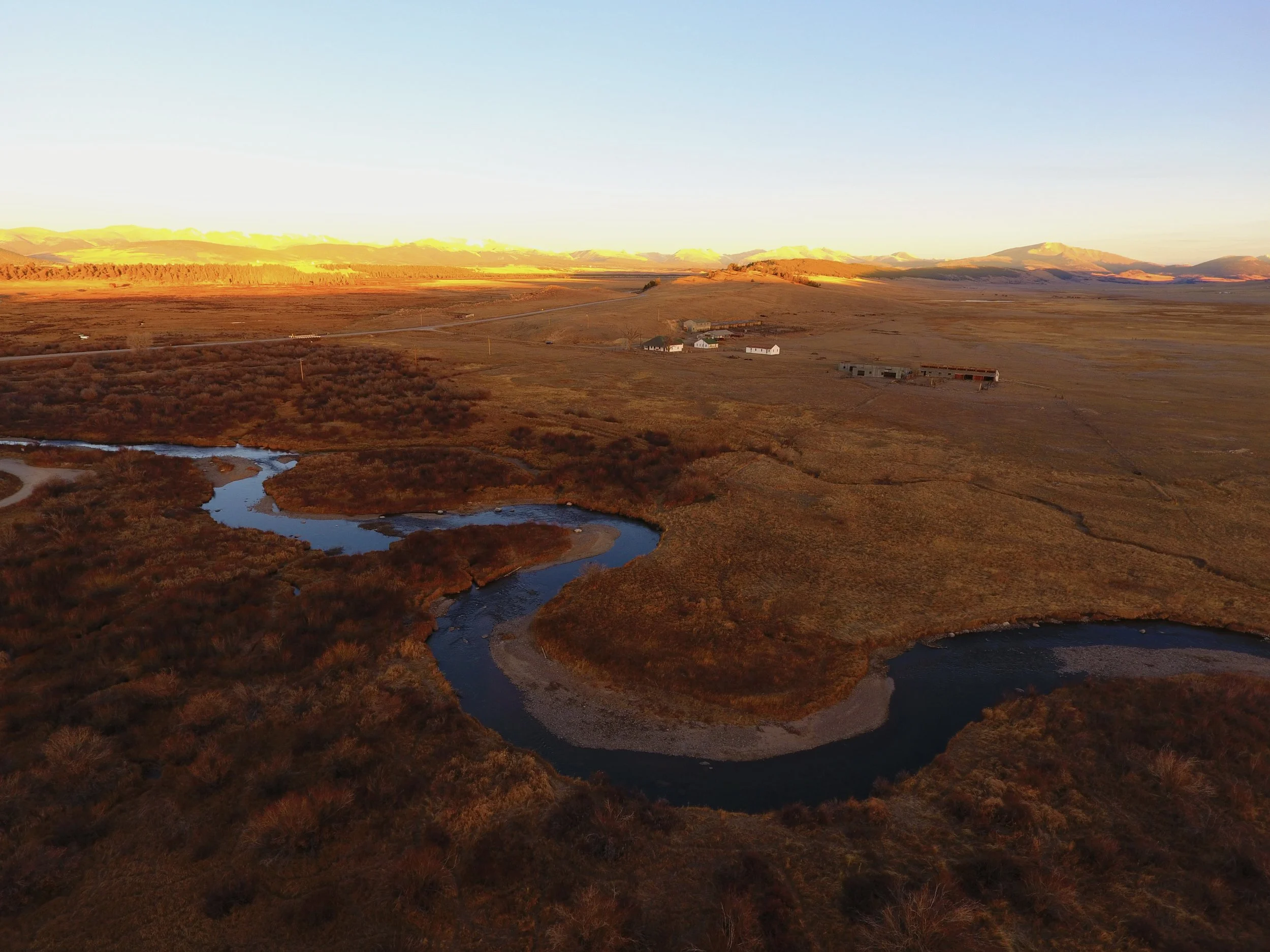
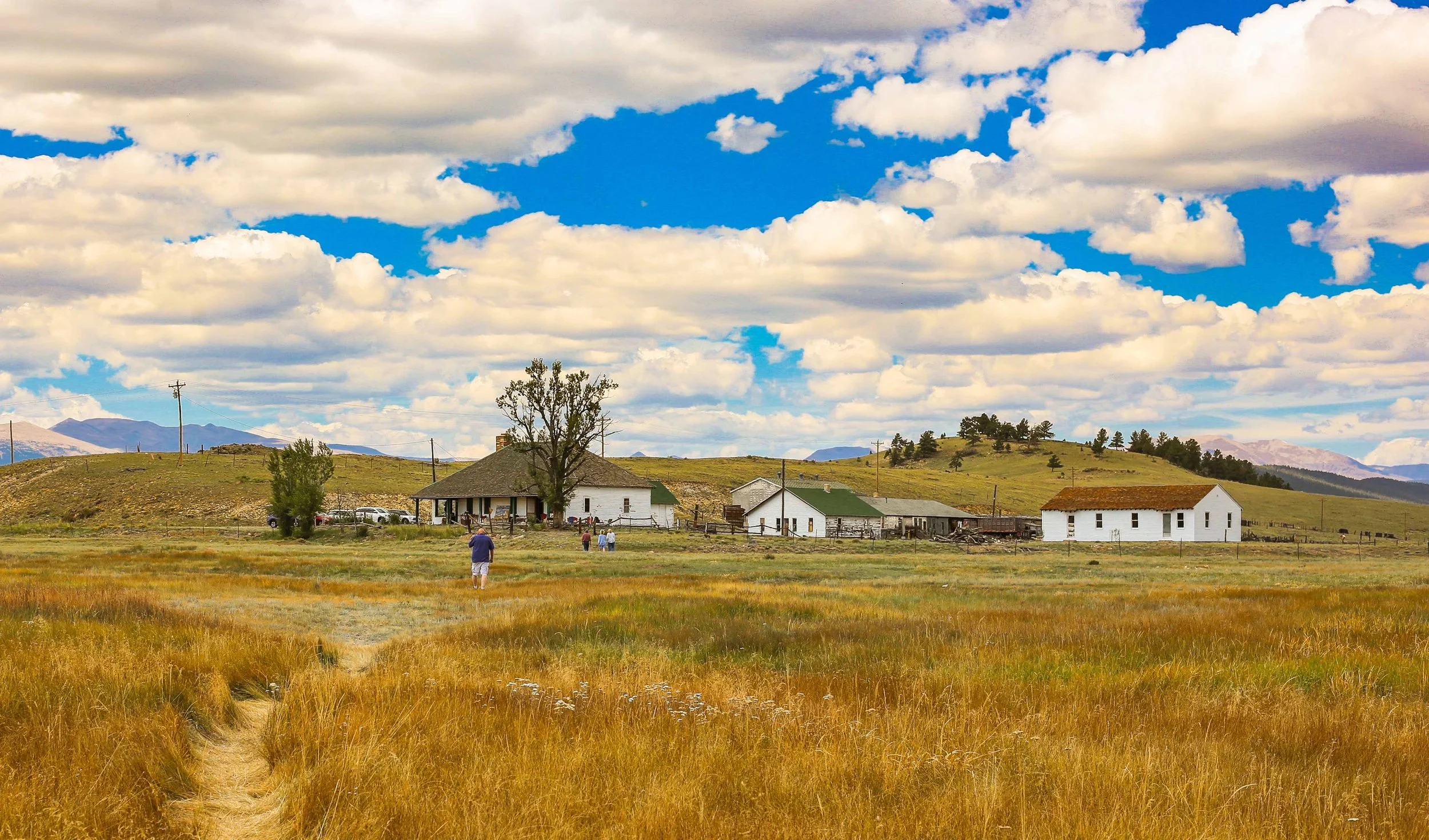
Studio Campo’s master plan for the Rocky Mountain Land Library campus at Buffalo Peaks Ranch connects books, landscape, and place-based learning in the high Rockies. Located at an elevation of 9200’ in Colorado’s South Park valley, the plan brings new life to the 1860’s ranch. The campus will house the library’s collection of over 50,000 books on man’s connection to the natural world. Integrating historic preservation, ecological stewardship, and residential retreat, the design fosters lifelong learning, cultural heritage, and immersive experiences rooted in nature.
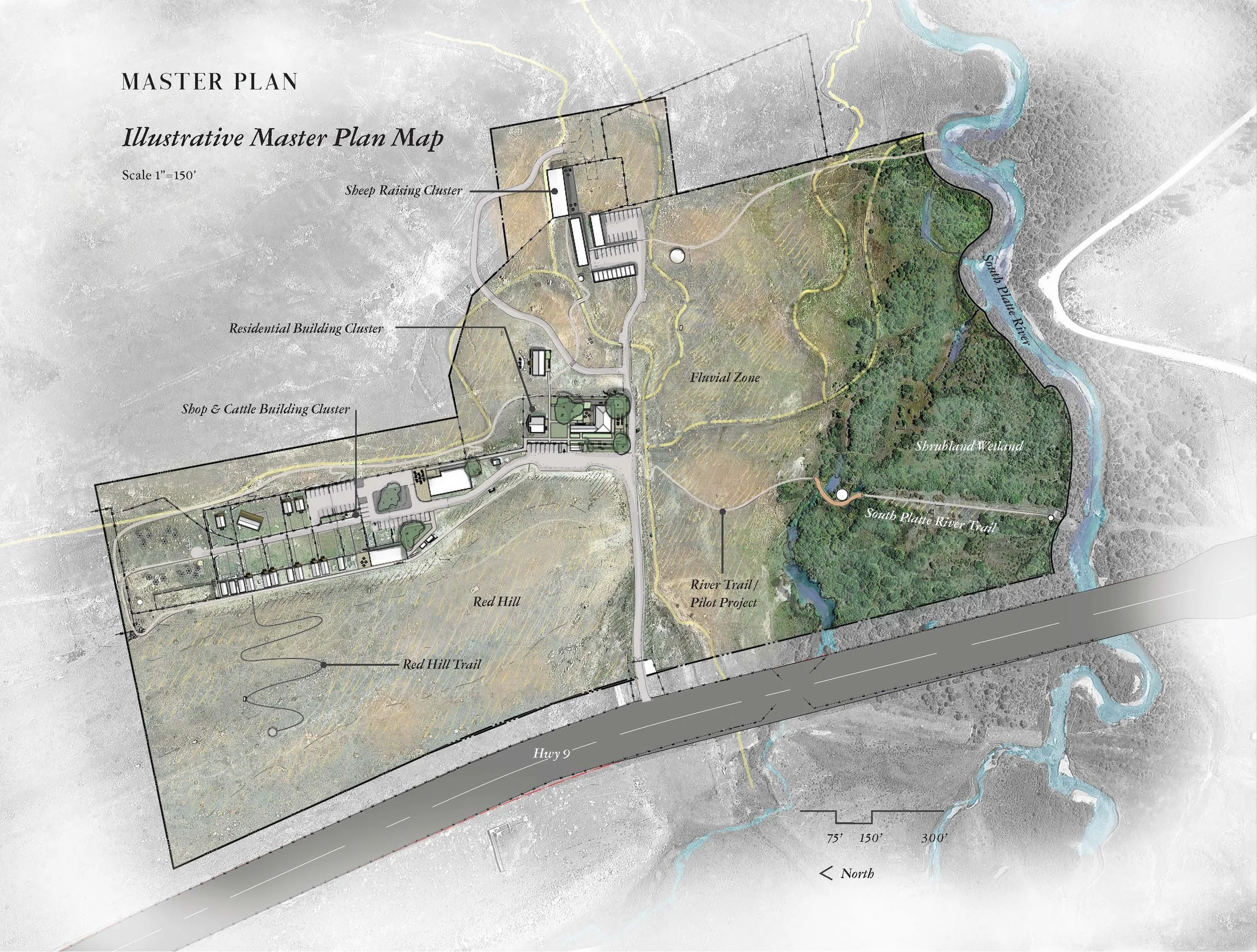
The master plan reimagines three historic ranch clusters—cattle, residential, and sheep— to support the Rocky Mountain Land Library programming across the campus’ 36 acres. The Residential Building Cluster is the heart of the ranch, providing the central library facility, caretaker lodging, guest parking, culinary library, and residency accommodations. The Shop & Cattle Building Cluster consolidates lodging and community services on campus with plans for a seasonal campground, canteen, research accommodations, library space, and maker spaces. The Sheep Raising Cluster is envisioned to be the entertainment hub of the campus, capable of hosting symposiums and supported by a parking barn with solar panels. Cattle ranching will continue to be a part of the site’s operations.
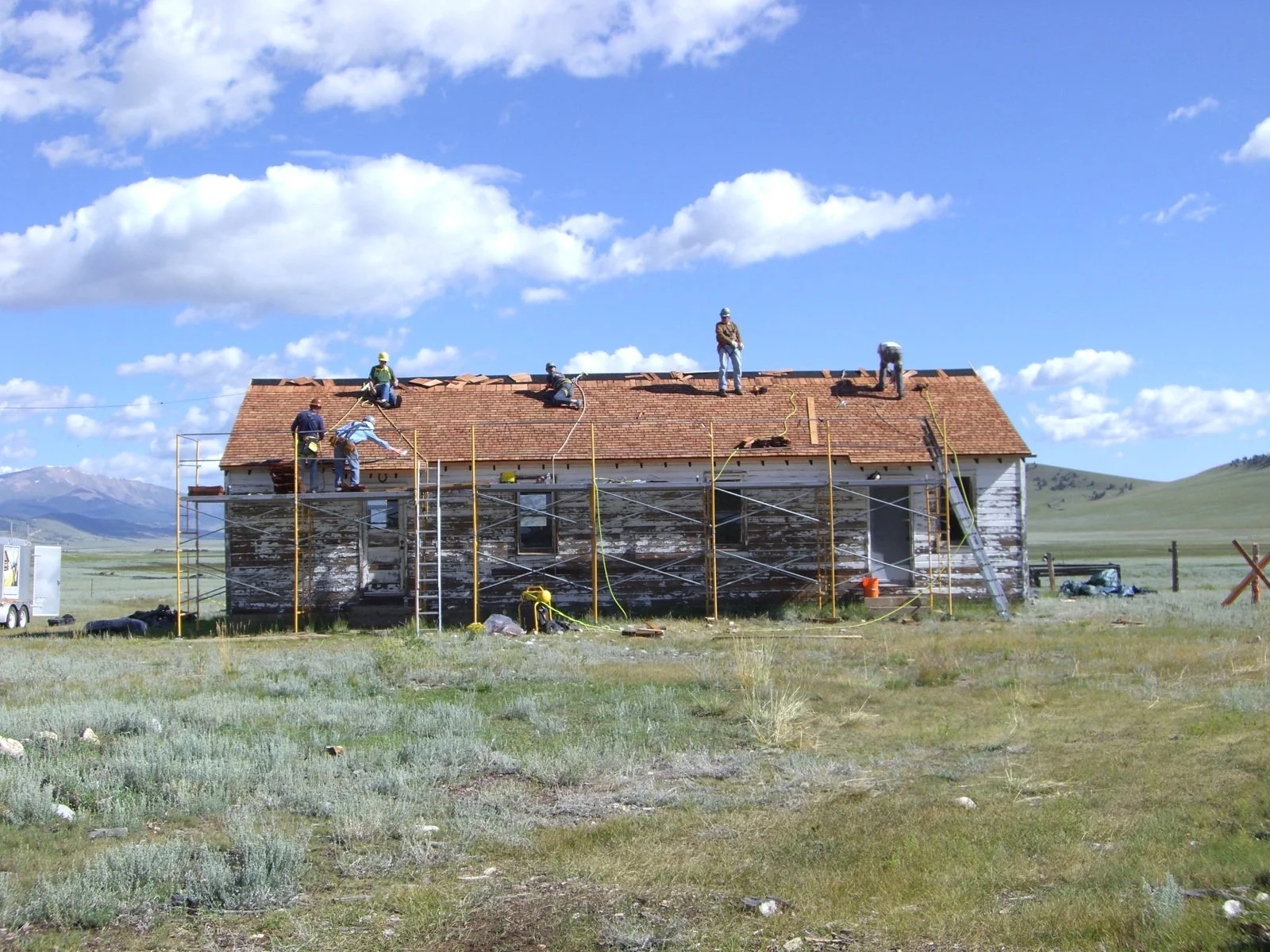
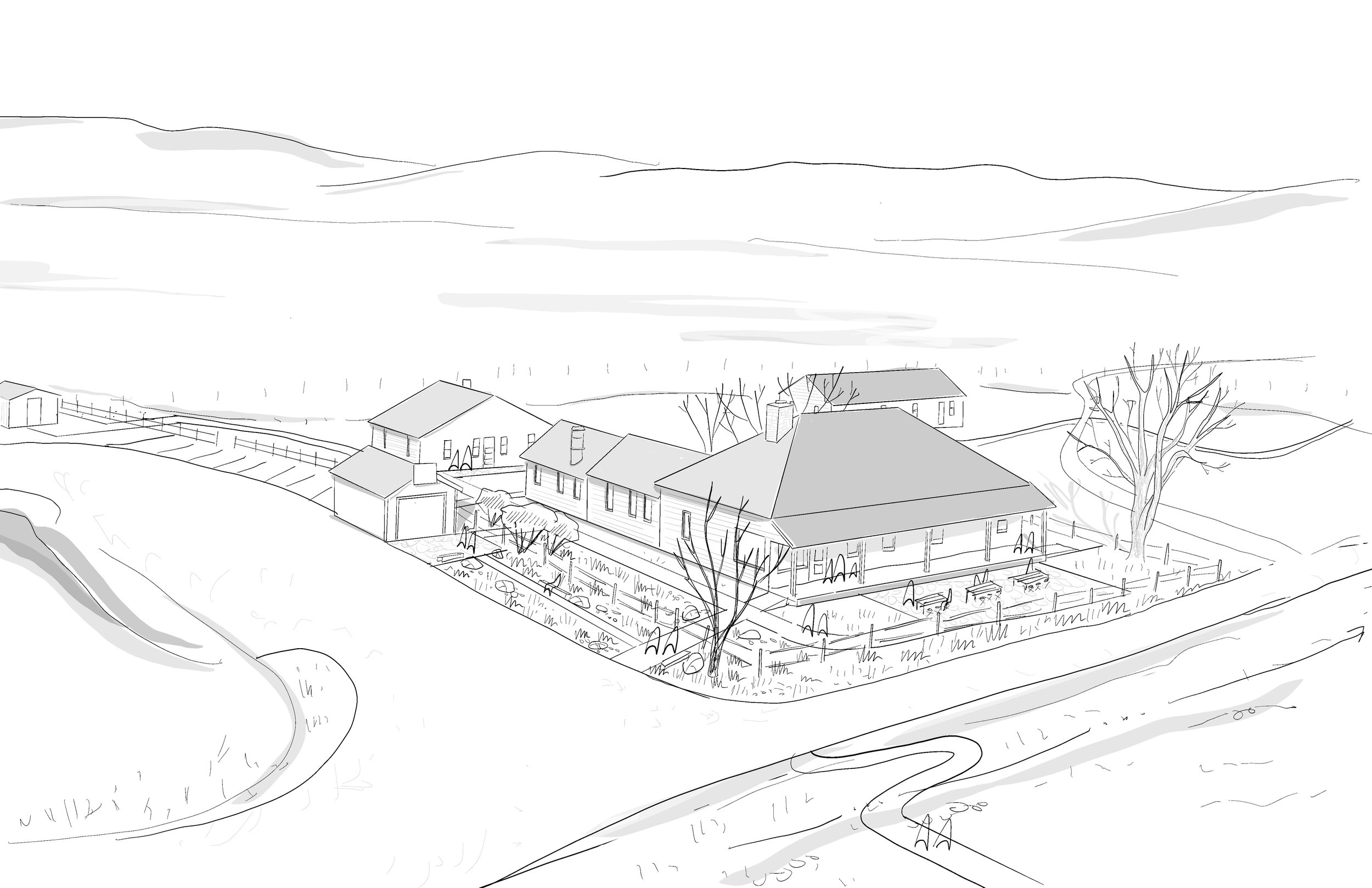
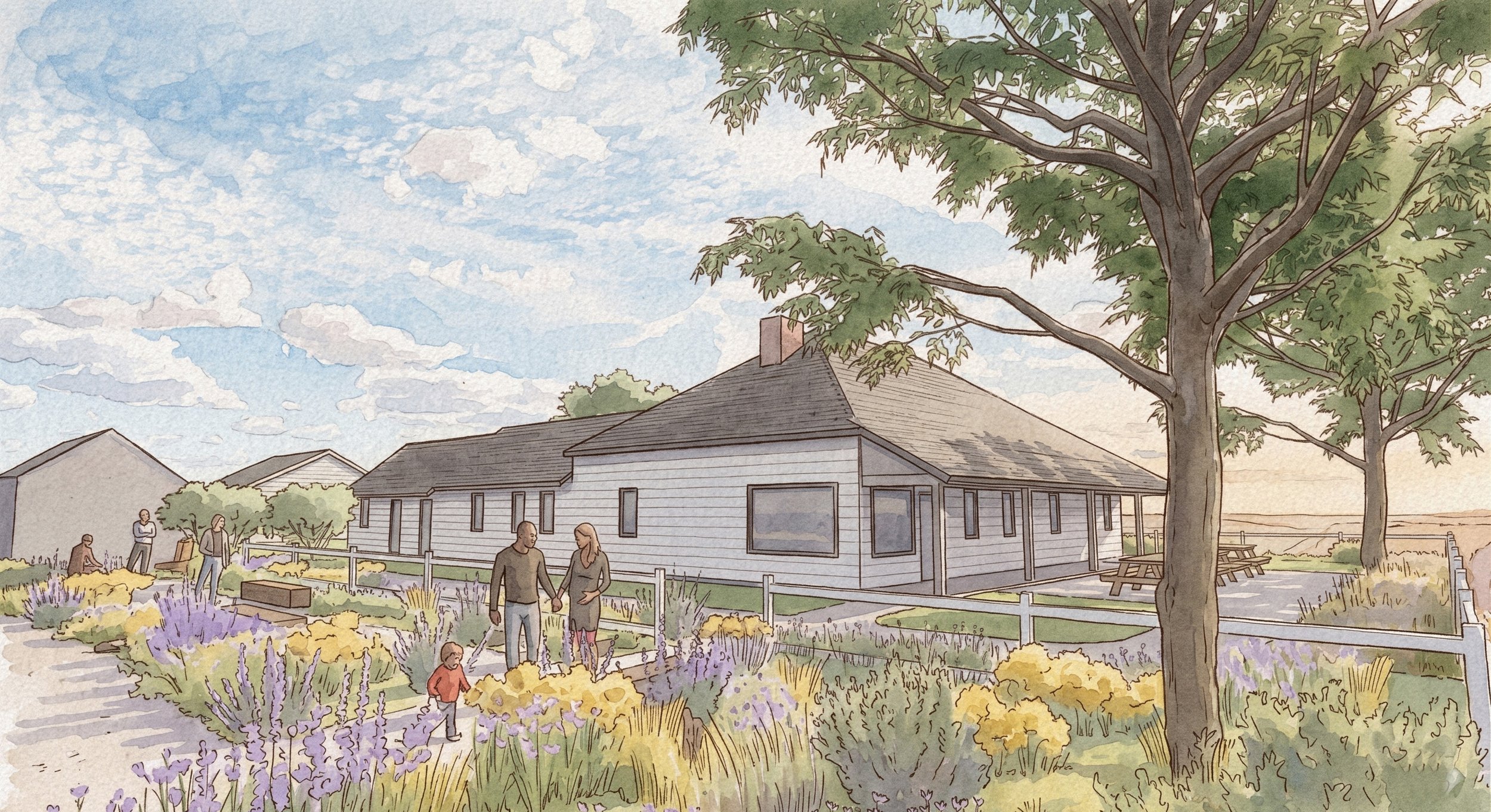
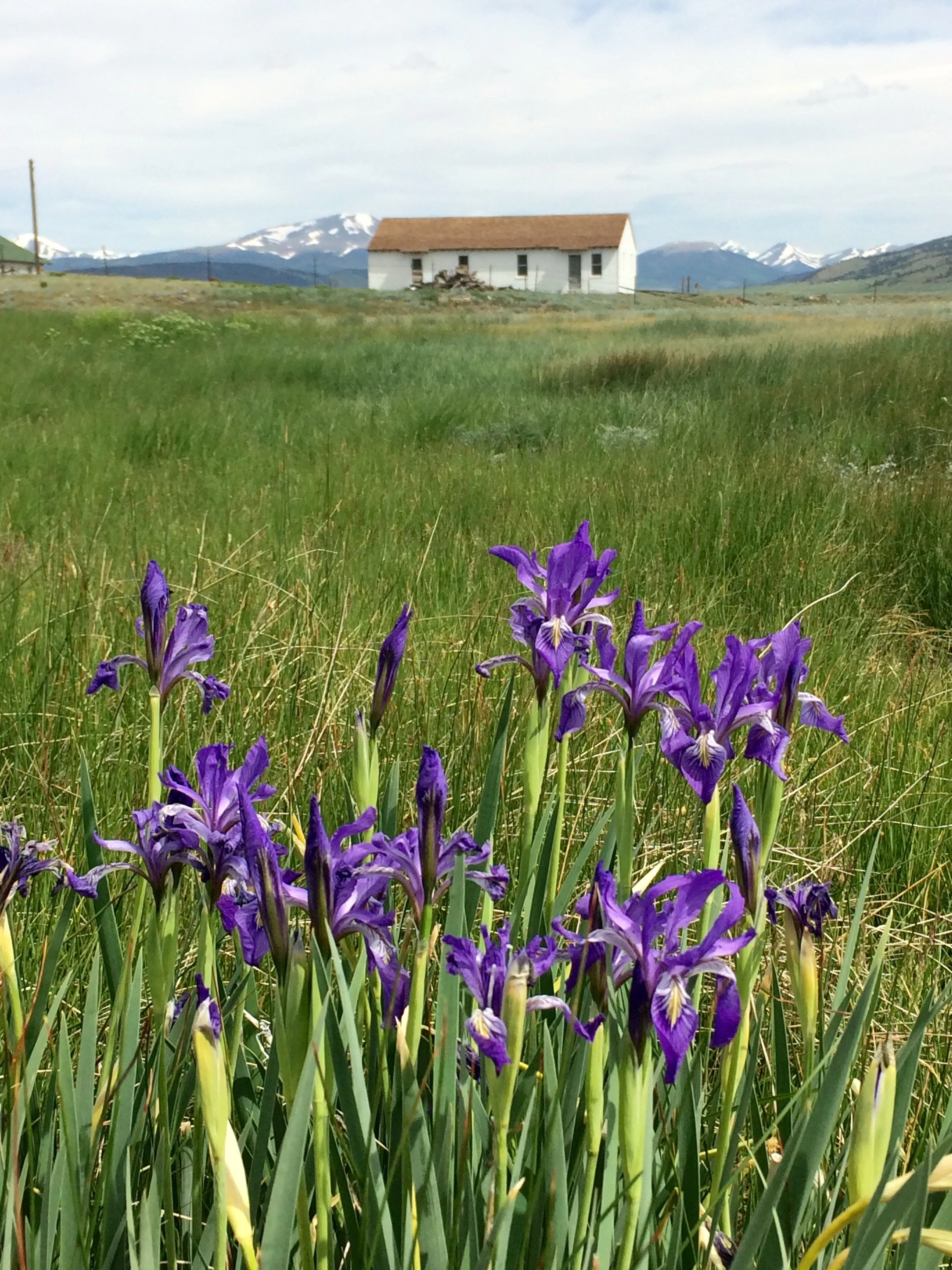
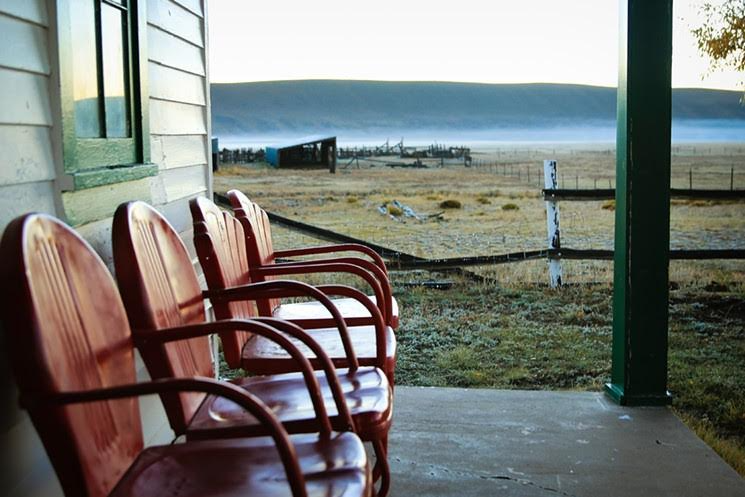
The main house is reimagined as central library with the Marie Guiraud Ranching Library, Natural History collection, and Native American History & Heritage collection, ADA restrooms and a caretaker unit. The landscape includes a xeric demonstration garden of high-elevation species with native lawns and a series of outdoor reading rooms. The front porch is preserved and expanded. The plant palette is 100% native to the West and includes Rocky Mountain Iris—Iris missouriensis, Wood’s Rose—Rosa woodsii, Rabbitbrush—Ericameria nauseosa, Rocky Mountain Penstemon—Penstemon strictus, and Blue Grama Grass—Bouteloua gracilis.
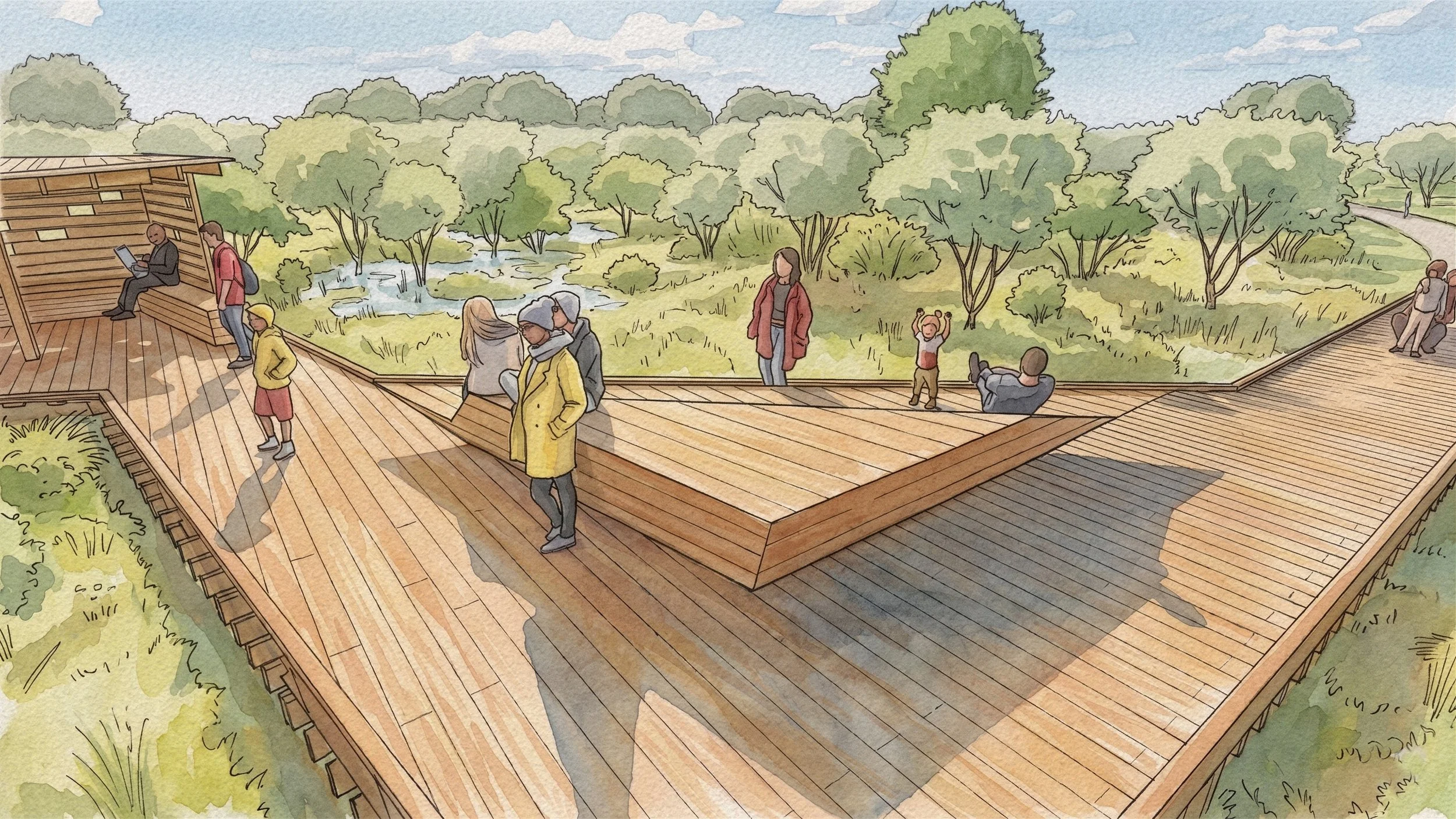
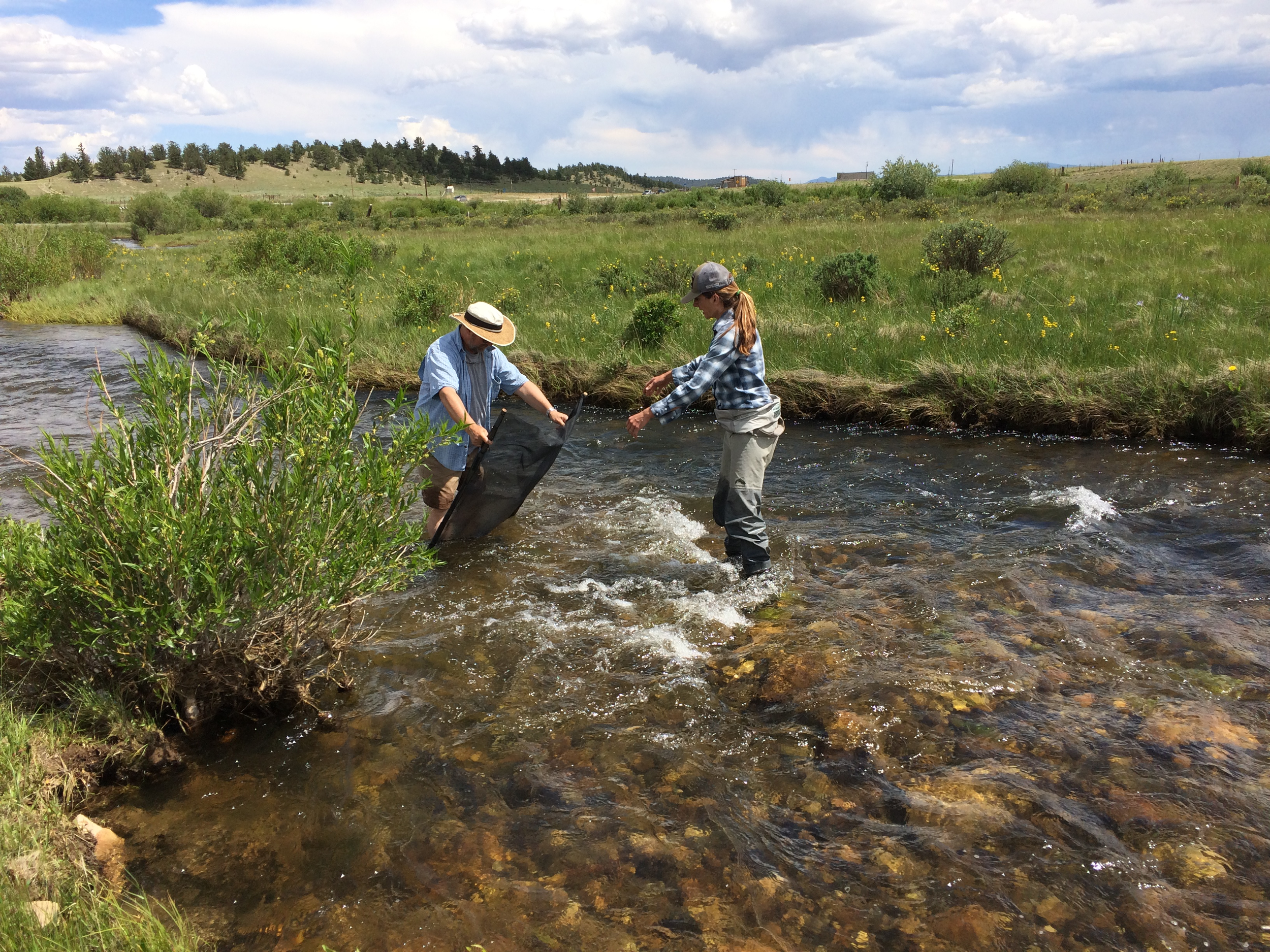
The North Fork of the South Platte River defines the Eastern edge of Buffalo Peaks Ranch. The floodplain is an important wildlife cincludes wetlands and a fluvial zone that accommodates the river’s meander. The river is bisected by the remnants of a historic railline, which connected Denver to the area’s hot springs as a wellness destination in the 1900’s. The railline berm provides a high point to walk from the Main House to the river’s edge with views into and over the wetlands. We identified this site as the location for a pilot project—a wetland boardwalk and interpretative water tower—to allow for wildlife observation, safe access to the Platte, and topical mini libraries.
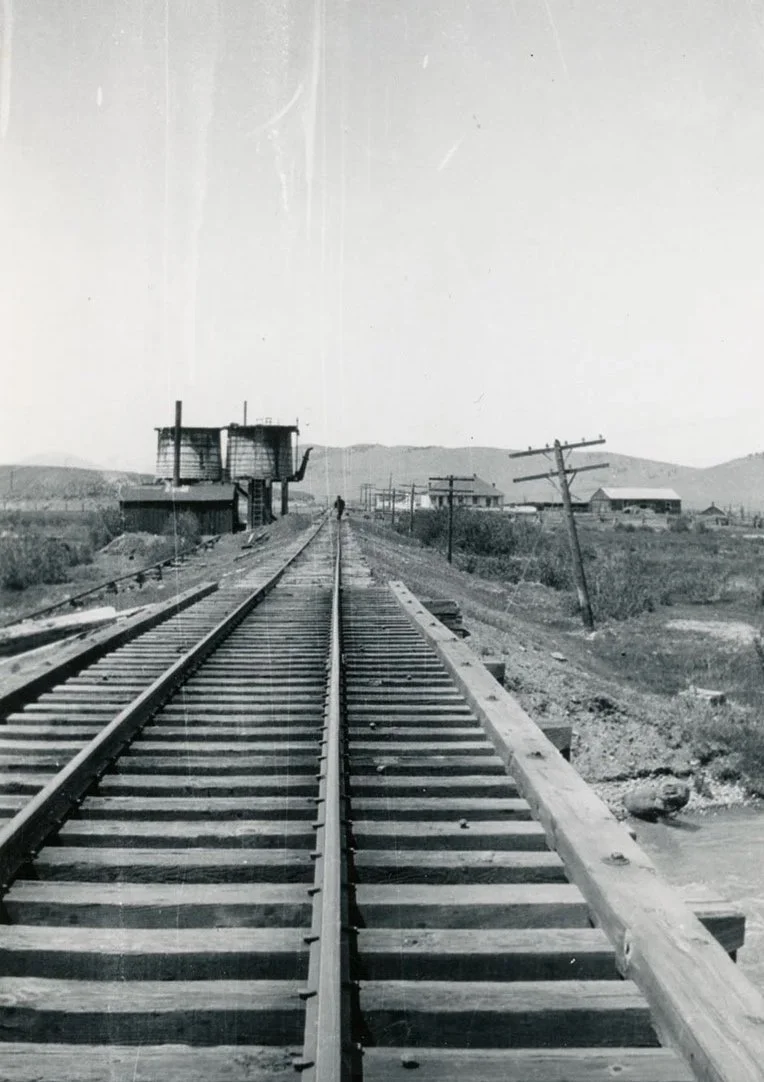
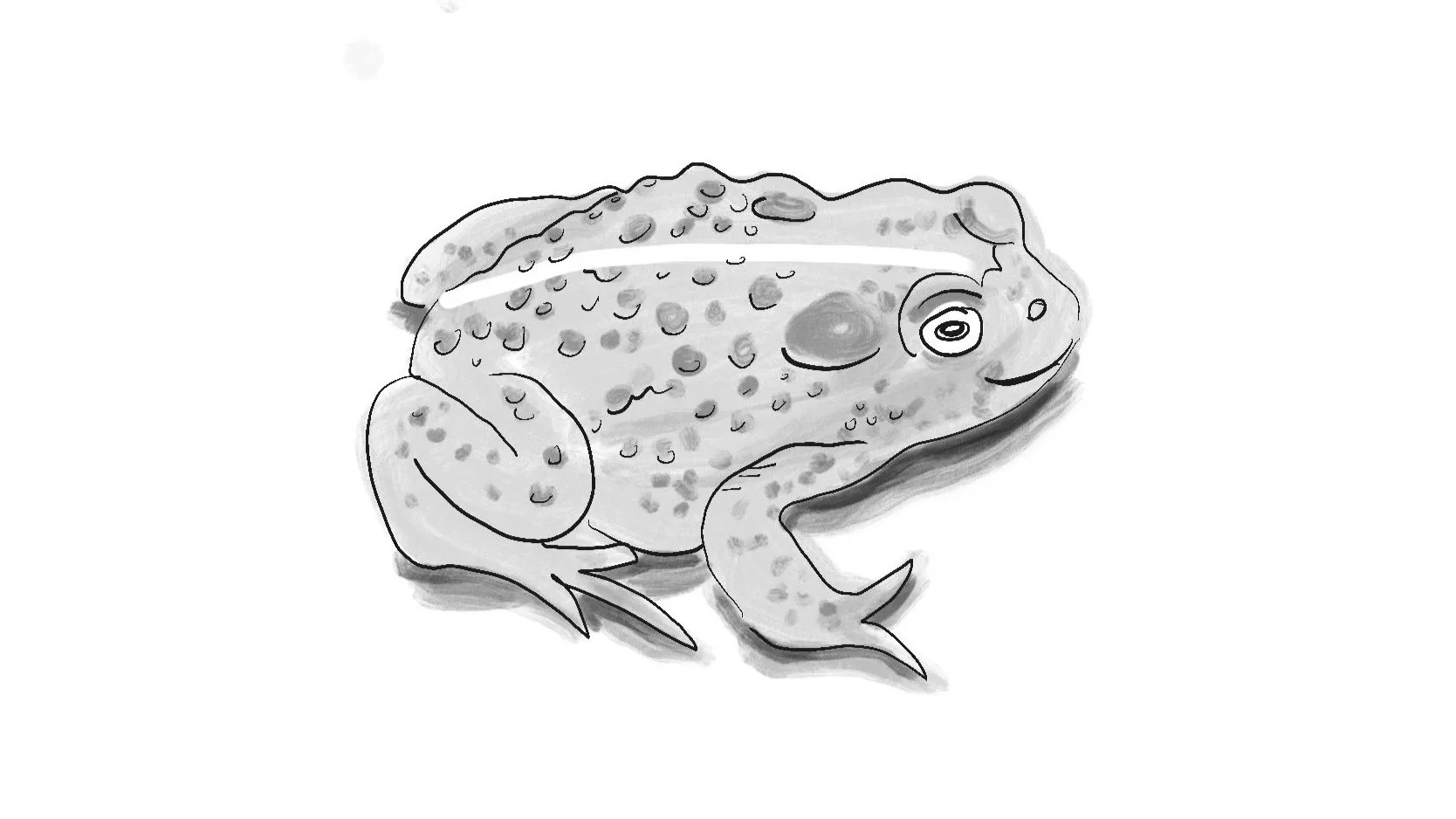
The boardwalk trail leveraged an abandoned rail grade (above) to minimize disturbance to the ecosystem that supports wildlife including brook trout, American beavers, and the endangered boreal toad ( left).
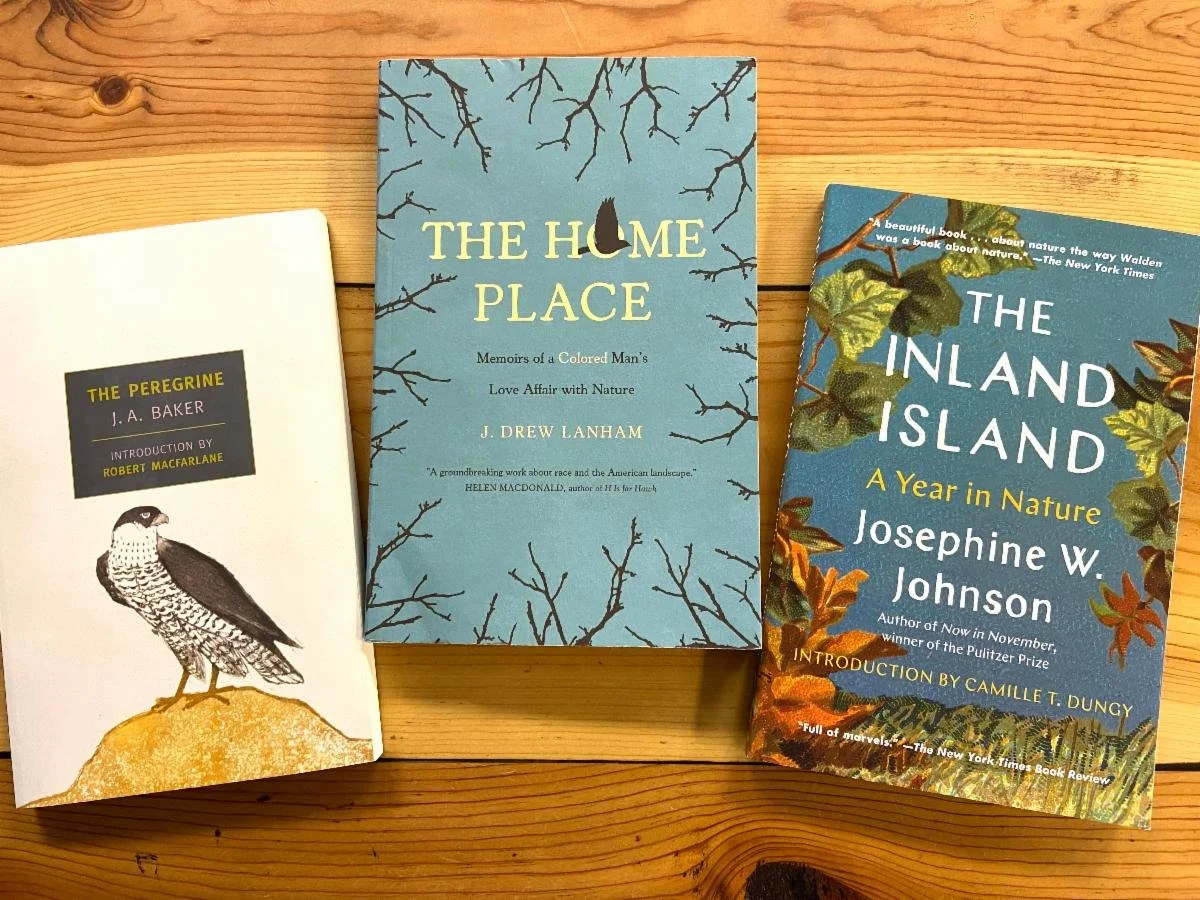
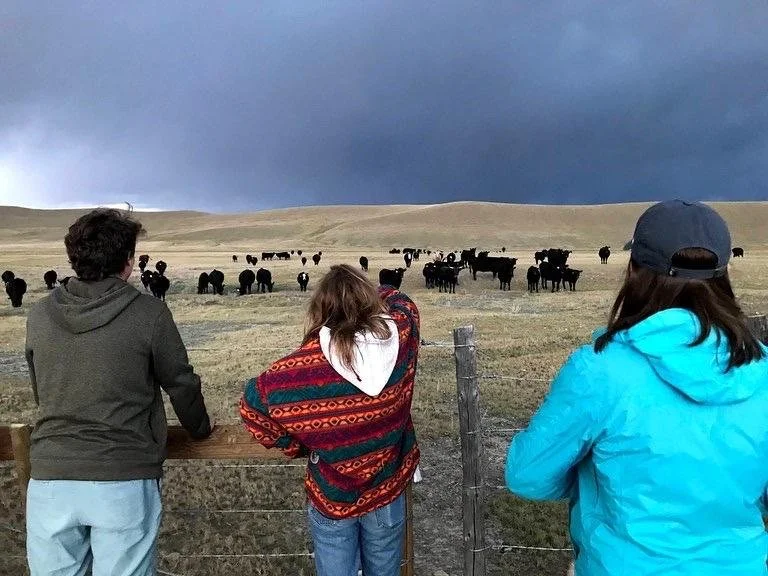
Core to the development of the Land Library campus is the idea that the books inform the organization’s path. Early in the process, the client and design team read Robin Wall Kimmerer’s Braiding Sweetgrass. Of the many lessons in the book, the concept of weaving or braiding presented itself as an organizing principle and a way to honor the multiplicity of narratives, the complexity of the site, and the diverse team—representative of the client, funder, and consultant group— brought forth to assemble the plan.
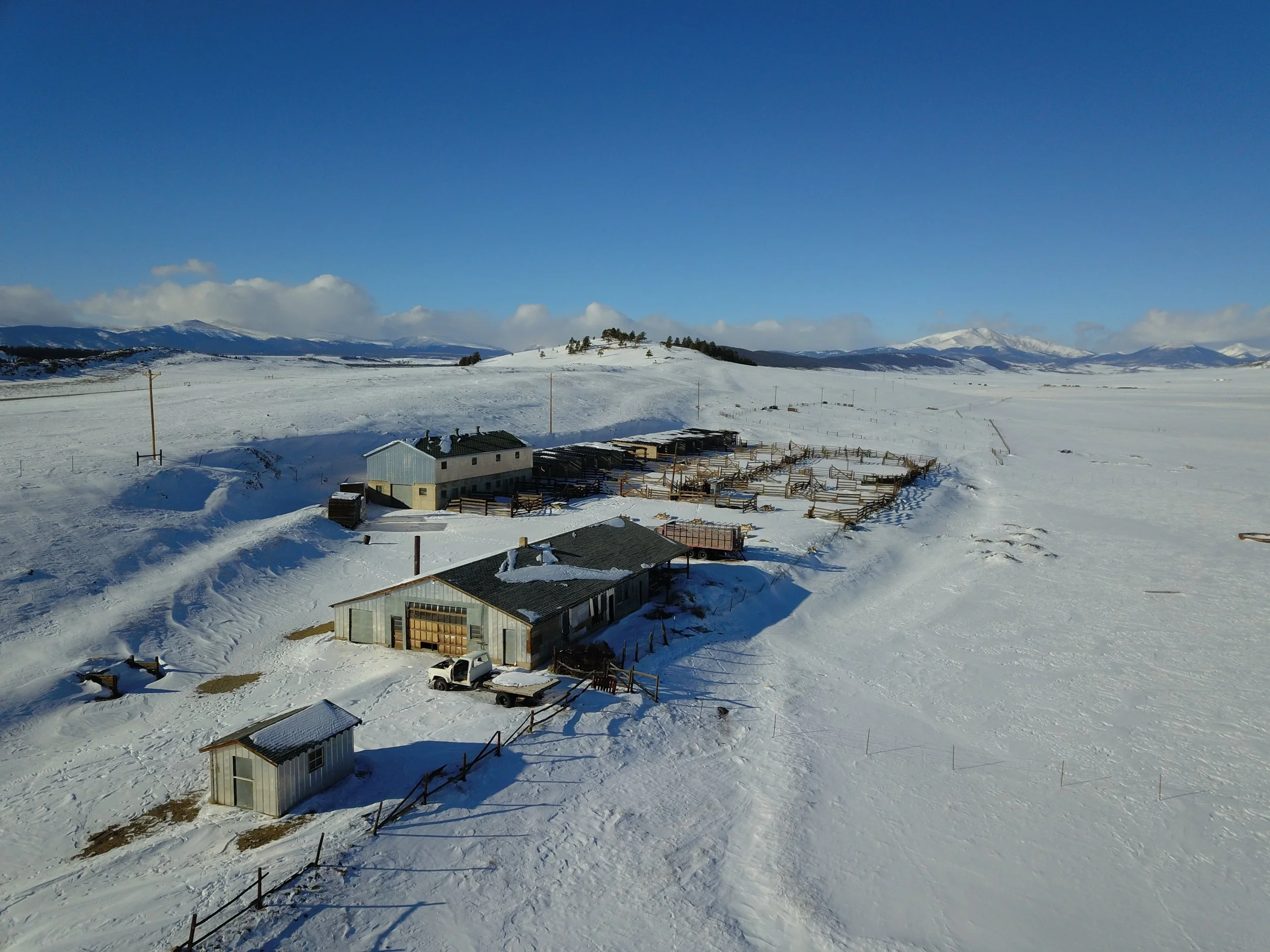
Ultimately the redevelopment of the ranch seeks to strike a delicate balance between preservation and reuse. The historic bones of the ranch are preserved in situ with the uses changing to meet the needs of the organization’s educational mission. The quietude of the ranch, its dark skies, viewsheds to the mountains, and sensitive vegetation all lend towards a light touch on the land. In a world of increasing noise, the ranch offers a dedicated space to explore nature, books, and community among the mountains.

Project Partners
Client: Rocky Mountain Land Library
Architect: Theodore Schultz, Architect
Consultant Team: GEI, Park County Stewards, and TSR Energy
Grant Funding: Park County Water & Land Trust Fund
Photos by Jeff Lee, Ashley Rust, Matt Staver, and Sam Bell, courtesy of Rocky Mountain Land Library. Drawings and renderings by Studio Campo.