
SPRING 2026
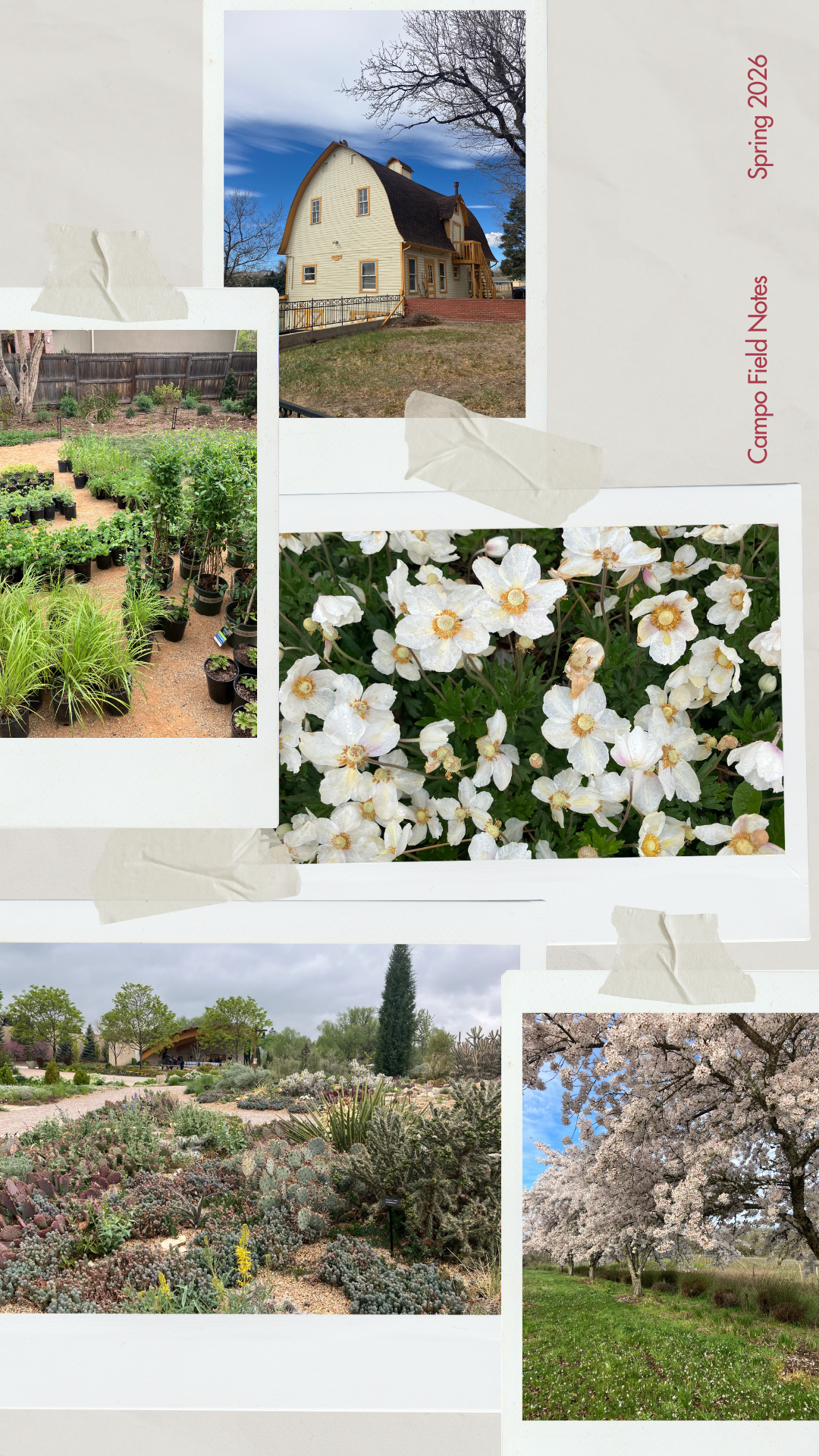
WELCOME NOTE | 5.26
It’s beautiful today as I write from our garden—the peach tree in filtered light, listening to this ode to the Carolinas on repeat: As Is, by Josiah and the Bonnevilles.
The spring has been exceptionally busy here at Studio Campo with seven installs in the works, including a native shade garden, a mountaintop pavilion, the renovation of a beloved public park, a gravel garden with a slate-roofed chicken coop, and the first phases of two large-scale farm projects in North Carolina and Oregon. I am also 4+ months pregnant with our future son, due this October, presenting a dual season of growth and renewal.
This newsletter will delve into some recent project research (turf conversion and mid-century outdoor entertaining), share some recent press, and close with a dedication to our first client Sidney who passed away this spring. Thanks for being here.
With hope for all that comes next,
Cali
FRESH PRESSED | 4.26
Best Lyrical Landscapes
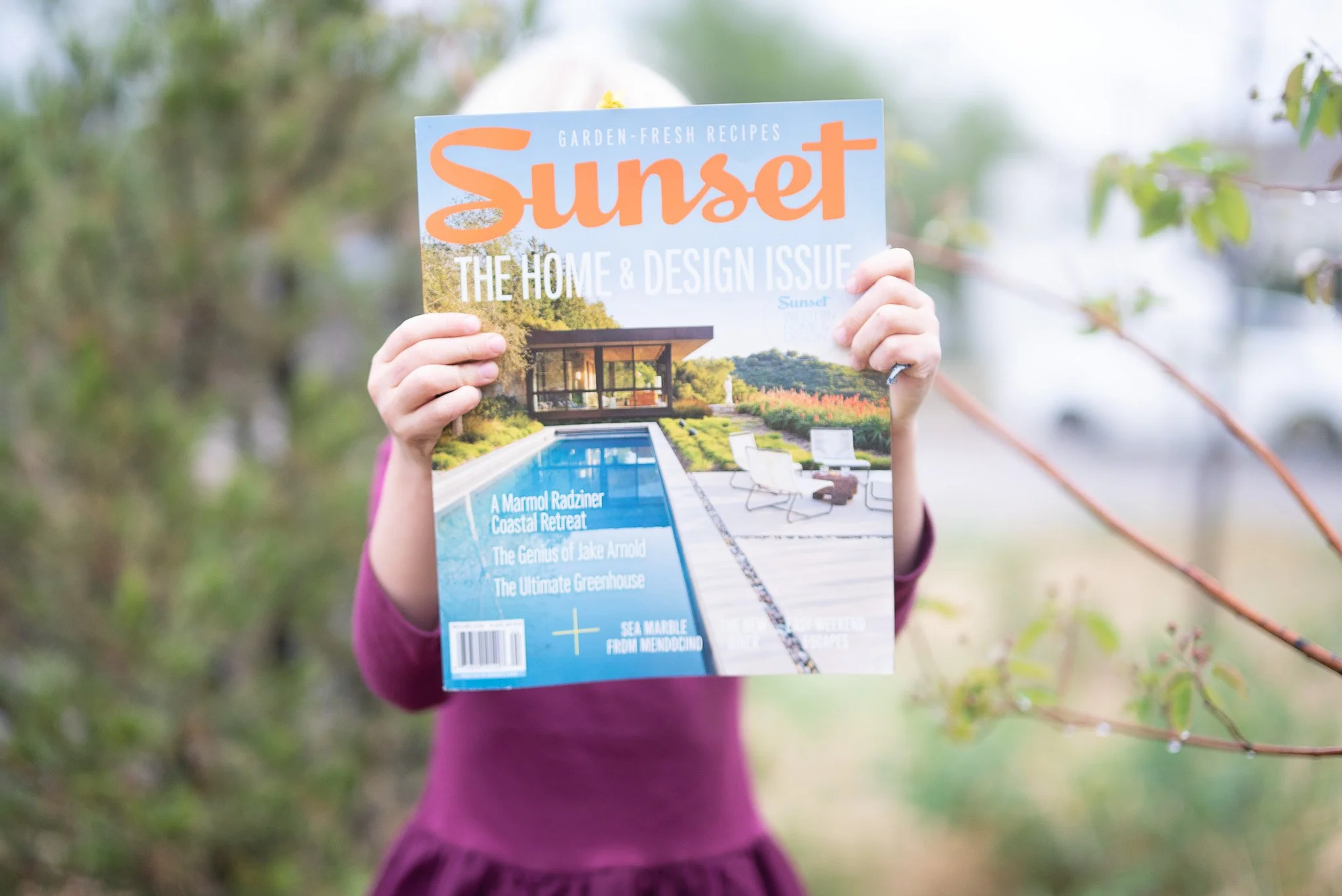
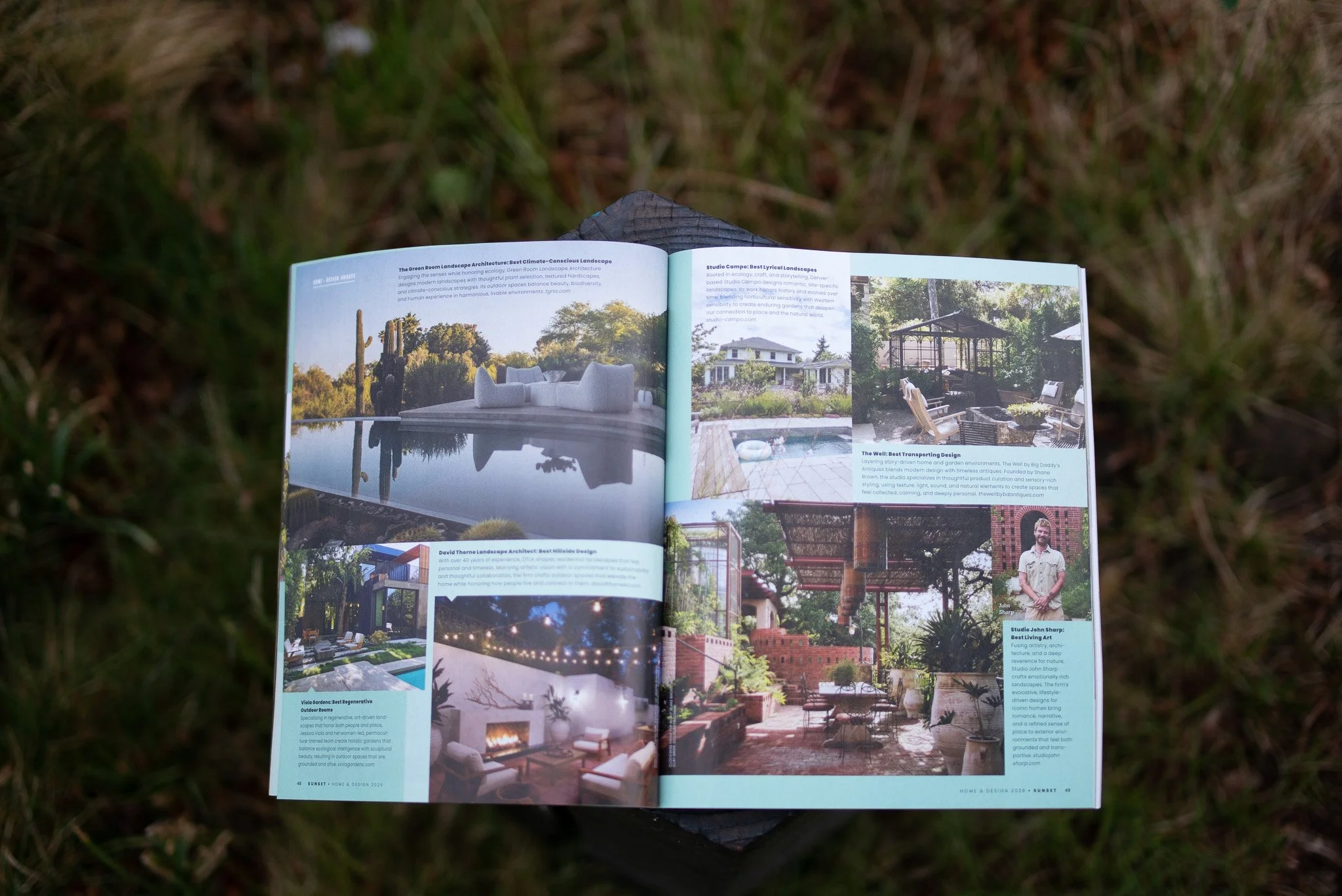
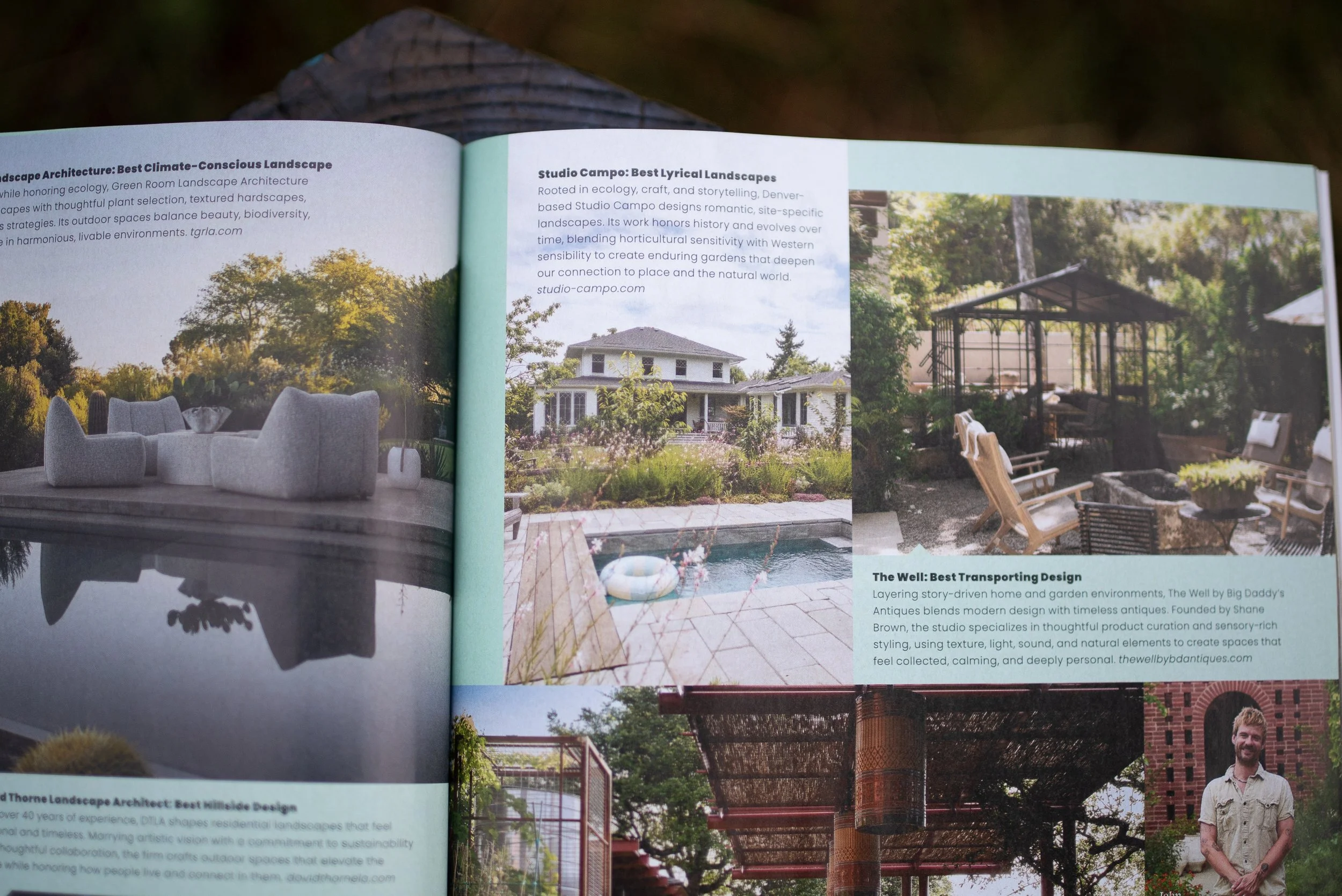
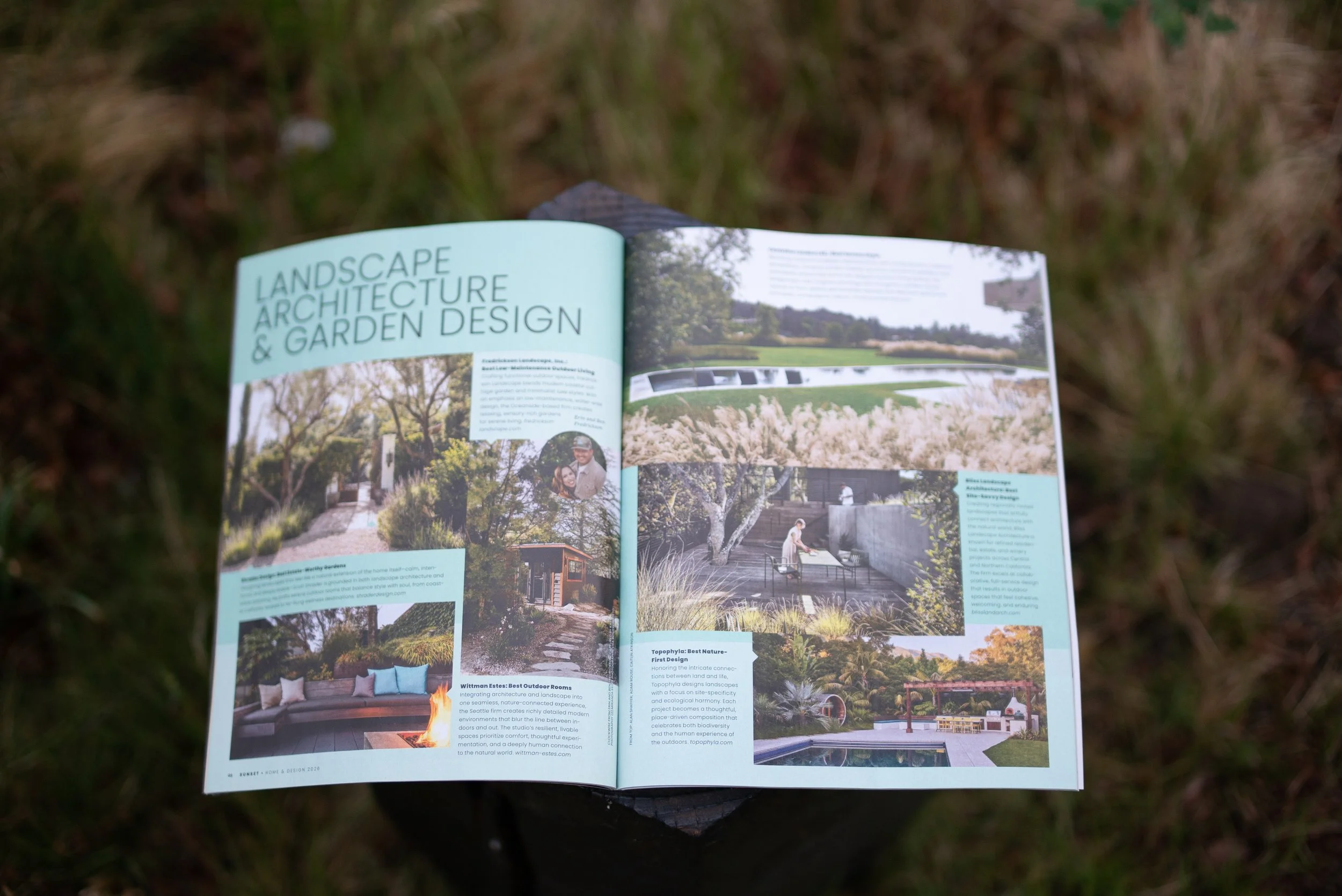
We honored to be a 2026 award recipient—Best Lyrical Landscapes—in the Sunset Western Home and Design Awards. We have so much admiration for Sunset and compulsively buy their how-to guides from the 1960s-1970s to source design ideas so this is a pinch-us moment. Here’s the editors’ take:
"Rooted in ecology, craft, and storytelling, Denver-based Studio Campo designs romantic, site-specific landscapes. Its work honors history and evolves over time, blending horticultural sensitivity with Western sensibility to create enduring gardens that deepen our connection to place and the natural world."
BROADCAST | 3.26
Project Brief: Denver Parks’ Largest Turf Conversion Initiative
by Amanda Jeter
Reimagining Urban Landscapes for Colorado’s Water Future
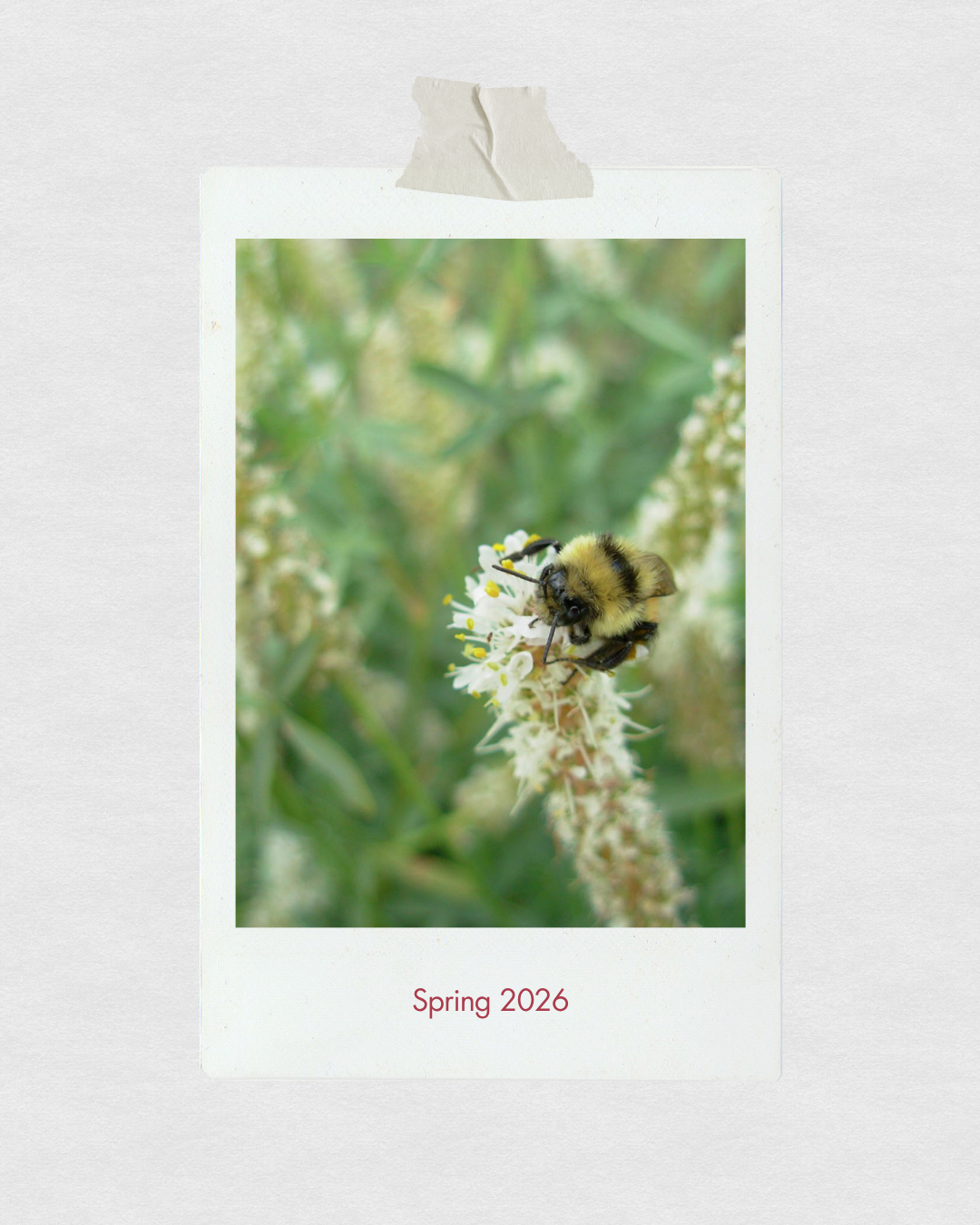
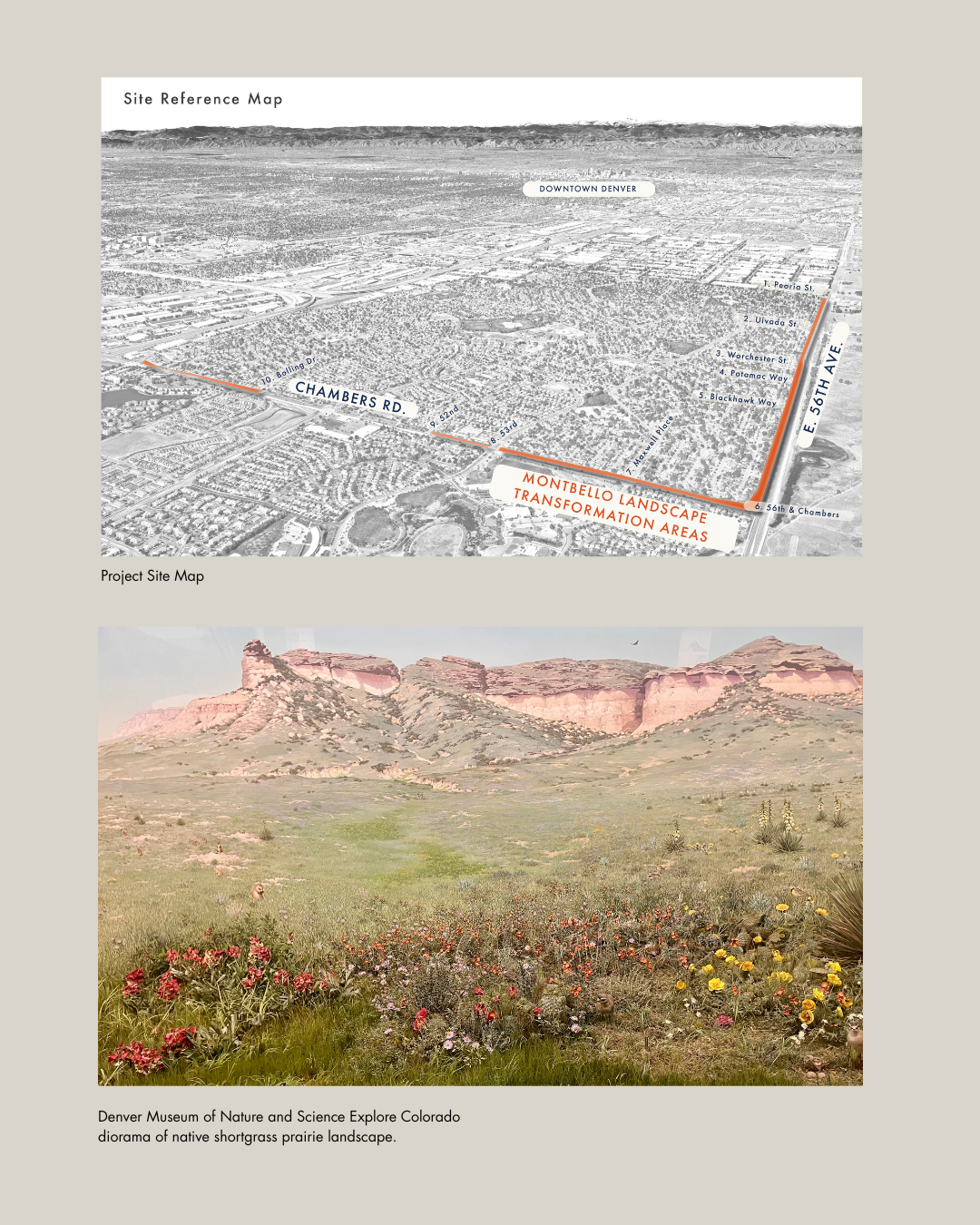
As Colorado communities continue adapting to prolonged drought conditions and increasing pressure on water resources, ecologically informed planting design is playing a crucial in creating resilient public spaces. Studio Campo is currently collaborating with Radian and Denver Parks & Recreation Department on a transformative 24-acre landscape restoration project in Denver’s Montbello neighborhood along 56th Avenue and Chambers Road.
Bordering residential and commercial properties, the Gateway Improvement District, and the Rocky Mountain Arsenal National Wildlife Refuge, the project shows how urban landscapes can conserve water, support biodiversity, and reconnect communities to the Front Range’s native shortgrass prairie ecology.
Designing for Water Conservation and Ecological Performance
The vision for the site centers on replacing traditional high-input turf with a resilient shortgrass prairie system adapted to Colorado’s semi-arid climate. Once established, the landscape is projected to reduce irrigation demand by up to 8 million gallons of water annually.
The design prioritizes:
Low-growing native prairie species adapted to Colorado’s Front Range climate;
More than 30 plant species to increase biodiversity and ecological resilience;
A minimum 70% native plant composition to strengthen habitat value;
Pollinator-supporting wildflower zones throughout pedestrian corridors;
Improved stormwater infiltration and erosion control;
Enhanced soil health through deeper root systems and carbon sequestration; and
Strategic plant selection to address wildfire resilience concerns.
The project also creates an important ecological connection between the Rocky Mountain Arsenal National Wildlife Refuge and the Sand Creek Regional Greenway, helping strengthen habitat corridors within an increasingly urbanized landscape.As Colorado communities continue adapting to prolonged drought conditions and increasing pressure on water resources, ecologically informed planting design is playing a crucial in creating resilient public spaces.
Learning from Colorado’s Native Prairie Systems
The site lies within Colorado’s historic shortgrass prairie ecosystem, which receives approximately 15–16 inches of annual precipitation. Historically, this landscape was dominated by drought-adapted grasses such as blue grama and buffalo grass, alongside yucca, prickly pear cactus, and seasonal wildflowers.
Rather than fighting the region’s dry climate, the planting strategy works with it. Existing site conditions—including full sun exposure, sandy loam soils, and slightly acidic pH—make the site well suited for native prairie establishment.
Supplemental irrigation will support initial plant establishment using upgraded, water-efficient infrastructure, while long-term maintenance requirements will remain lower than conventional turf landscapes.
Addressing Fire-Wise Design Concerns
One important community conversation surrounding native landscapes involves wildfire risk. To address this concern, the design team evaluated plant flammability alongside water use, habitat value, and maintenance requirements.
Research from Western state agencies and Colorado State Forest Service resources helped find low-flammability plant species that fit the site’s horticultural constraints. Interestingly, the proposed shortgrass prairie matrix of buffalo grass and blue grama carries a comparable flammability rating (low) to the existing Kentucky bluegrass turf currently on site.
Planned long-term management practices—including annual mowing and a three-year establishment and weed management program—will further support landscape health and fuel management.
Bringing Beauty and Biodiversity Together
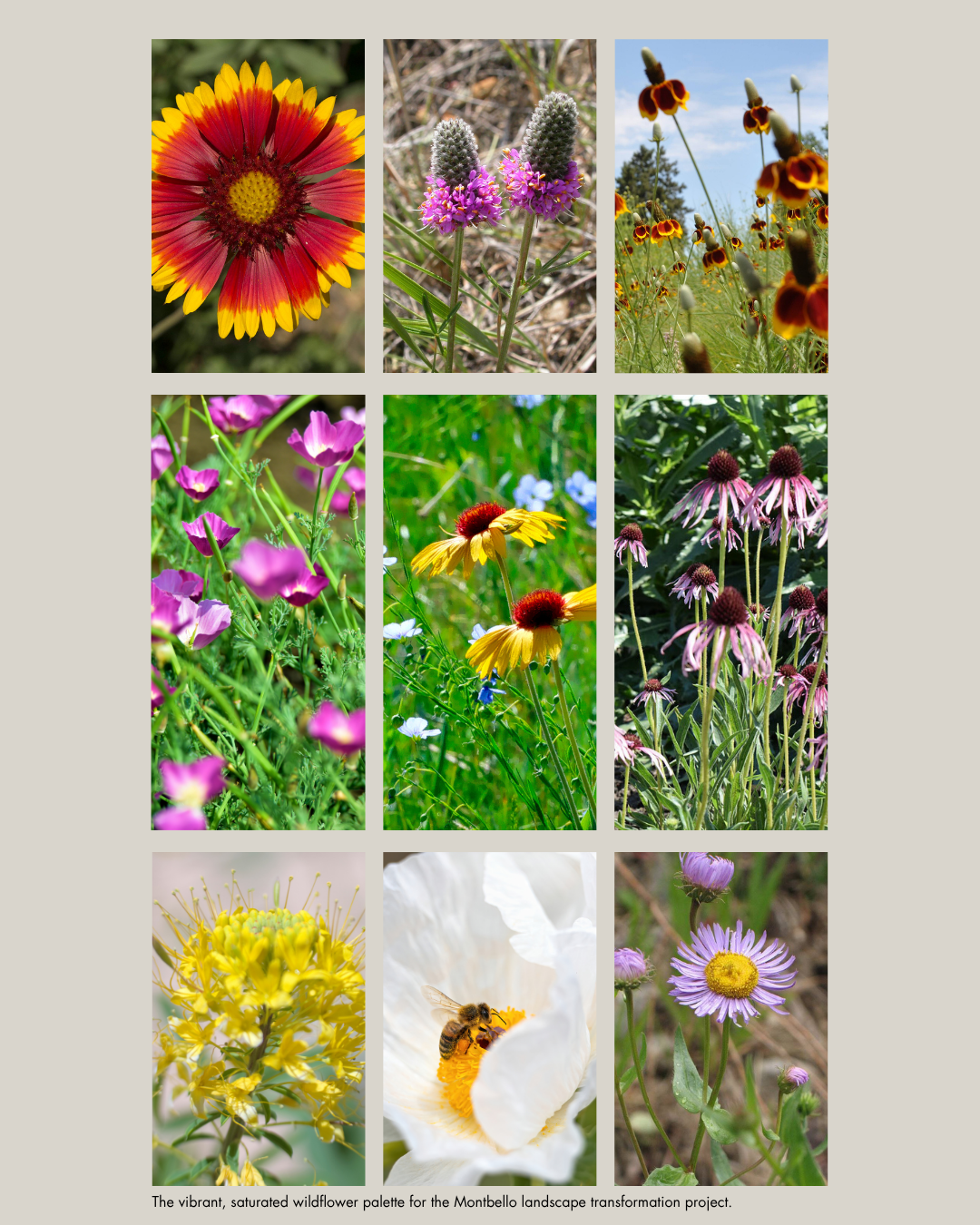
Beyond ecological performance, the project aims to create a memorable and inviting public landscape experience. The planting design incorporates curated wildflower drifts and seasonal color inspired in part by British plantswoman Sarah Raven. The result will be a landscape that not only conserves water, but also creates year-round beauty, habitat, and neighborhood identity. Two complementary planting palettes are evolving:
A vibrant, saturated palette with bold seasonal color; and
A softer pastel palette designed to create warmth and visual calmness within the prairie setting.
Looking Ahead
The project is currently in design review, with upcoming phases focused on seed procurement and prairie establishment planning. Ongoing collaboration with organizations such as the Colorado Native Grass Working Group continues to inform best practices for alternative turf conversion and native landscape restoration across the region. As drought conditions continue shaping the future of landscape architecture in Colorado, projects like this highlight how thoughtful design can reduce water consumption while creating healthier, more resilient public spaces. More updates to come as the project moves forward.
CABANA-RAMA | 3.26
Mid-Century Outdoor Entertaining
We have a wonderful new project that will see a 1960’s gas station turned into a neighborhood watering hole / beer garden (think Elks Lodge meets Slim Aarons). Research for this one had us tunneling deep on mid-century entertaining earlier this spring. Here is some delicious imagery and ideas for one-hell-of-a-good-time in the garden this summer.
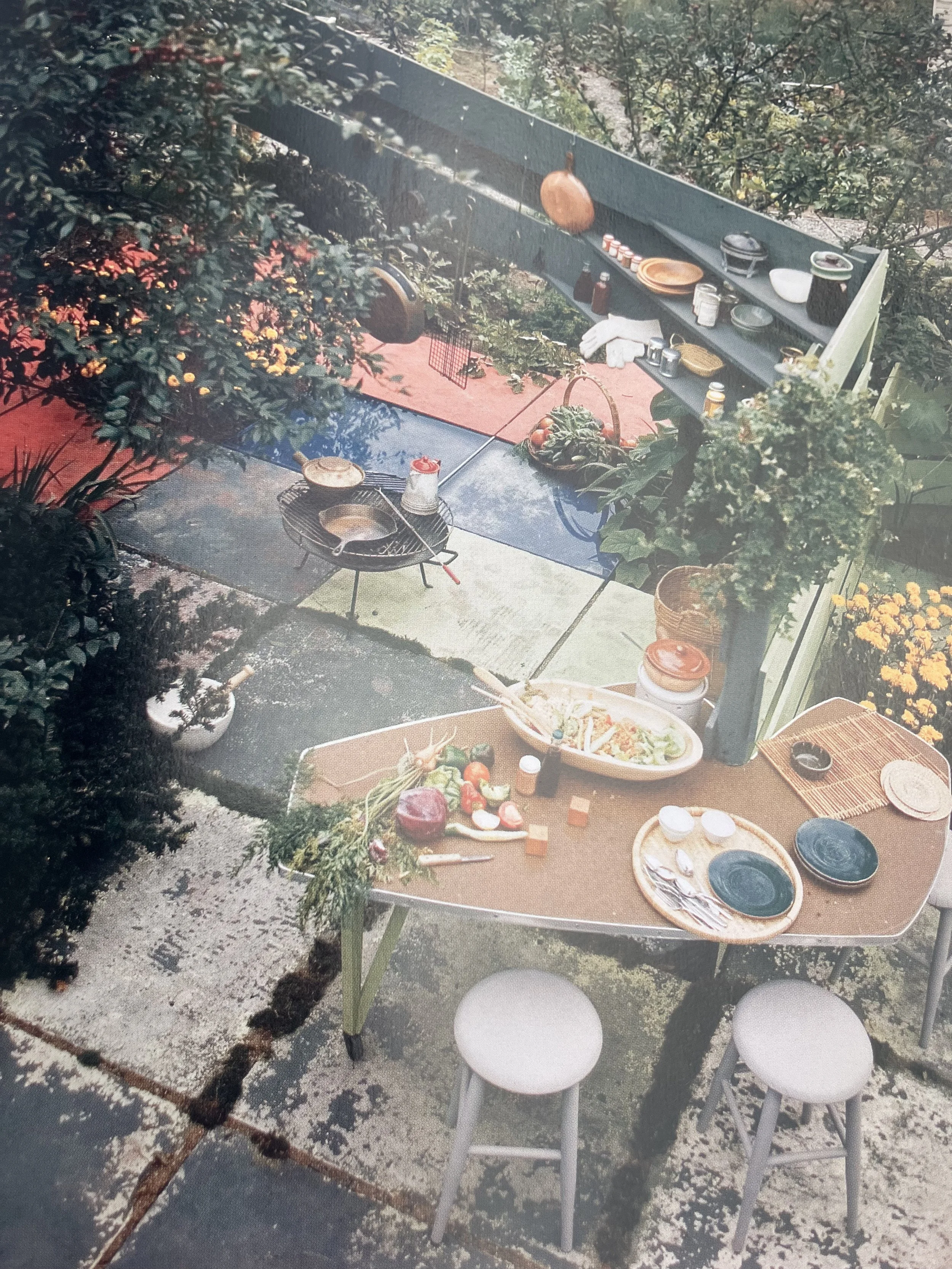
DISCOVERY #1: ENAMELWARE IN THE GARDEN
Looking through this archive of mid-century life there is a complete lack of disposables. There is ornate glassware, copper pots, linen tablecloths. Precious things treated unpreciously, glamorous and generous in their everyday use.
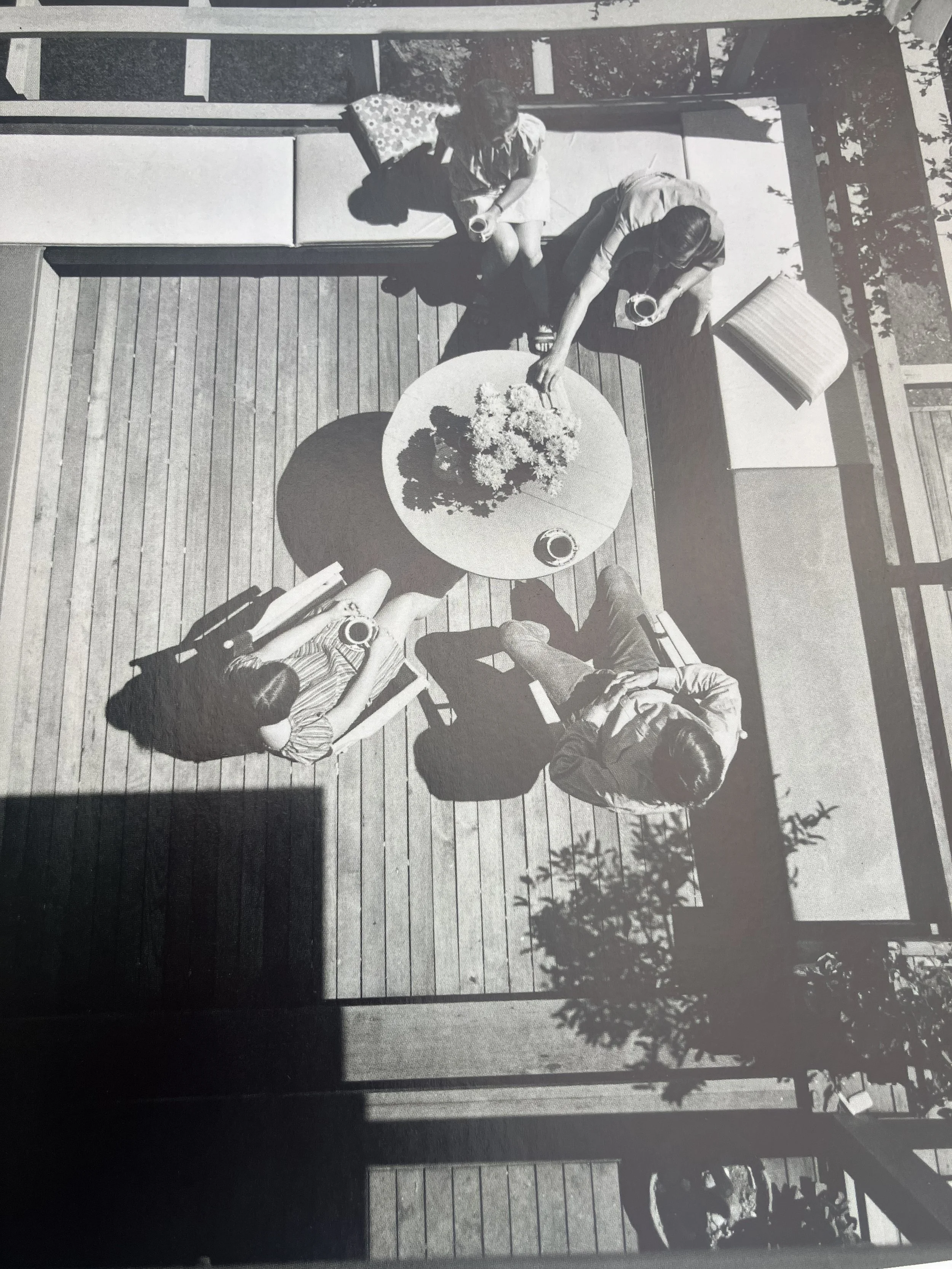
Tea Please.
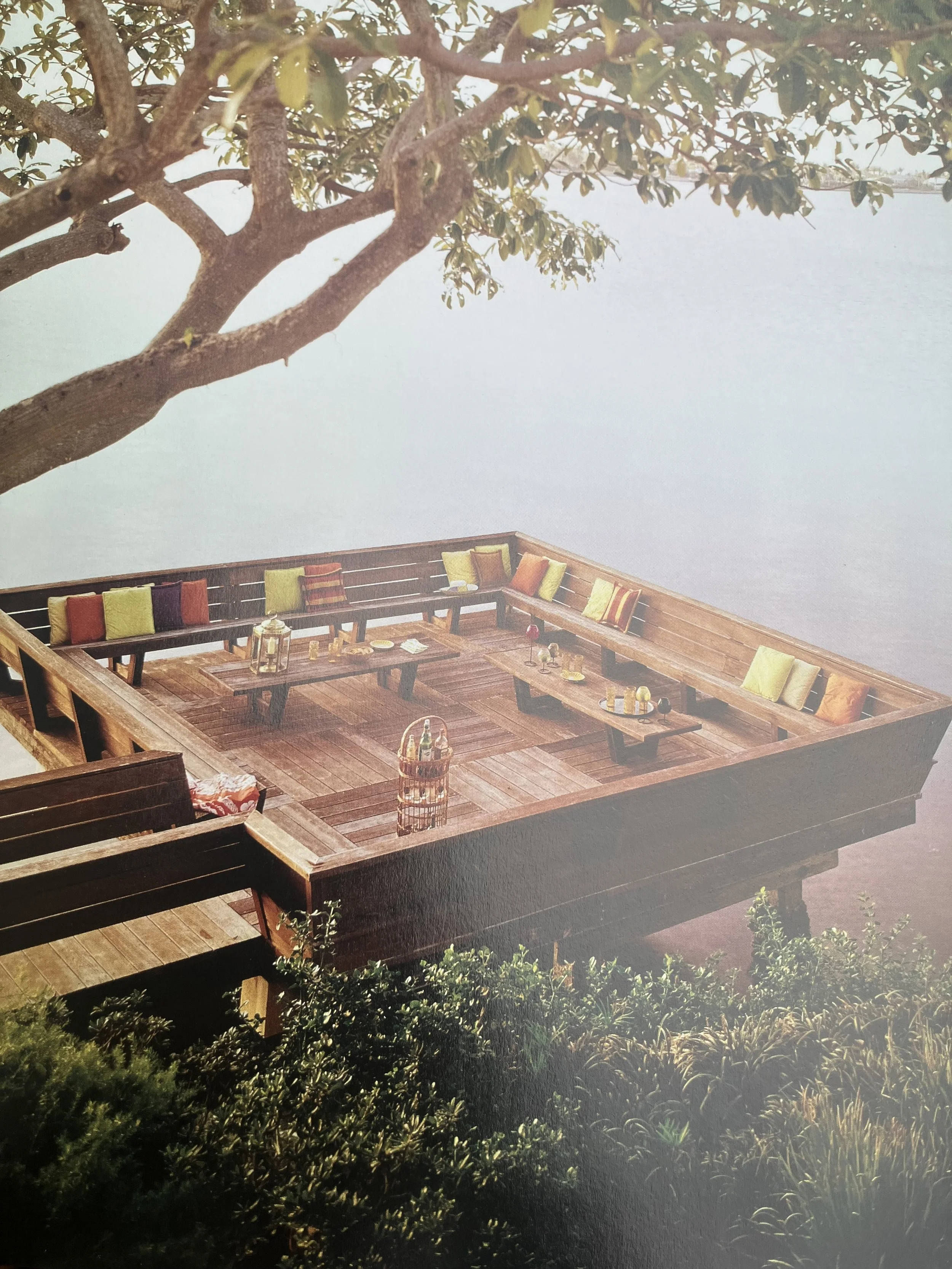
DISCOVERY #2: SHADES OF AVOCADO
Personal taste and eccentricity abound in these outdoor spaces. A fixation in the US with real estate resale value flattens a collective boldness in taste. We admire the avocado green chairs, blue fences, and plexiglass panels of this inventive era.
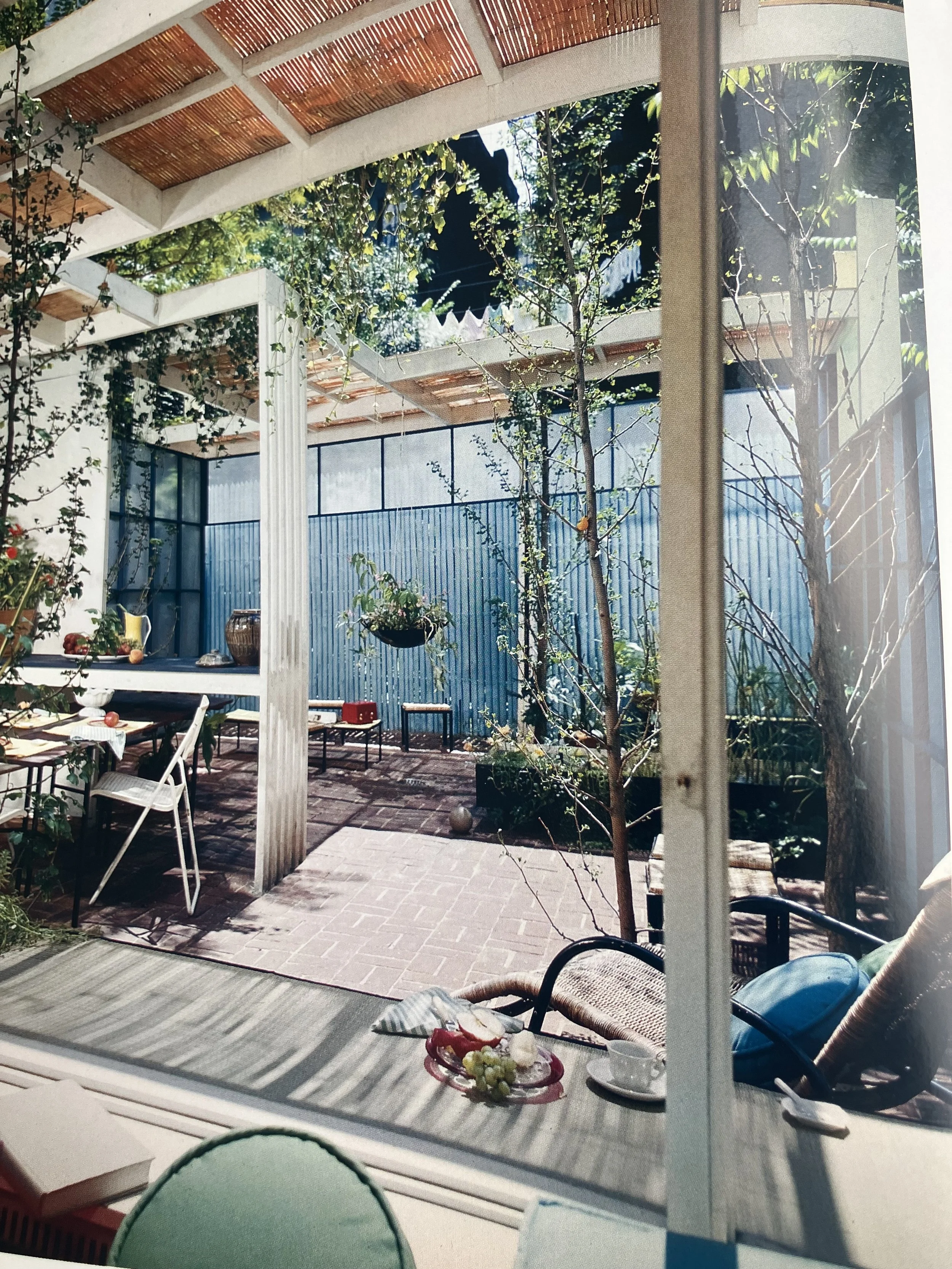
Cerulean blue.
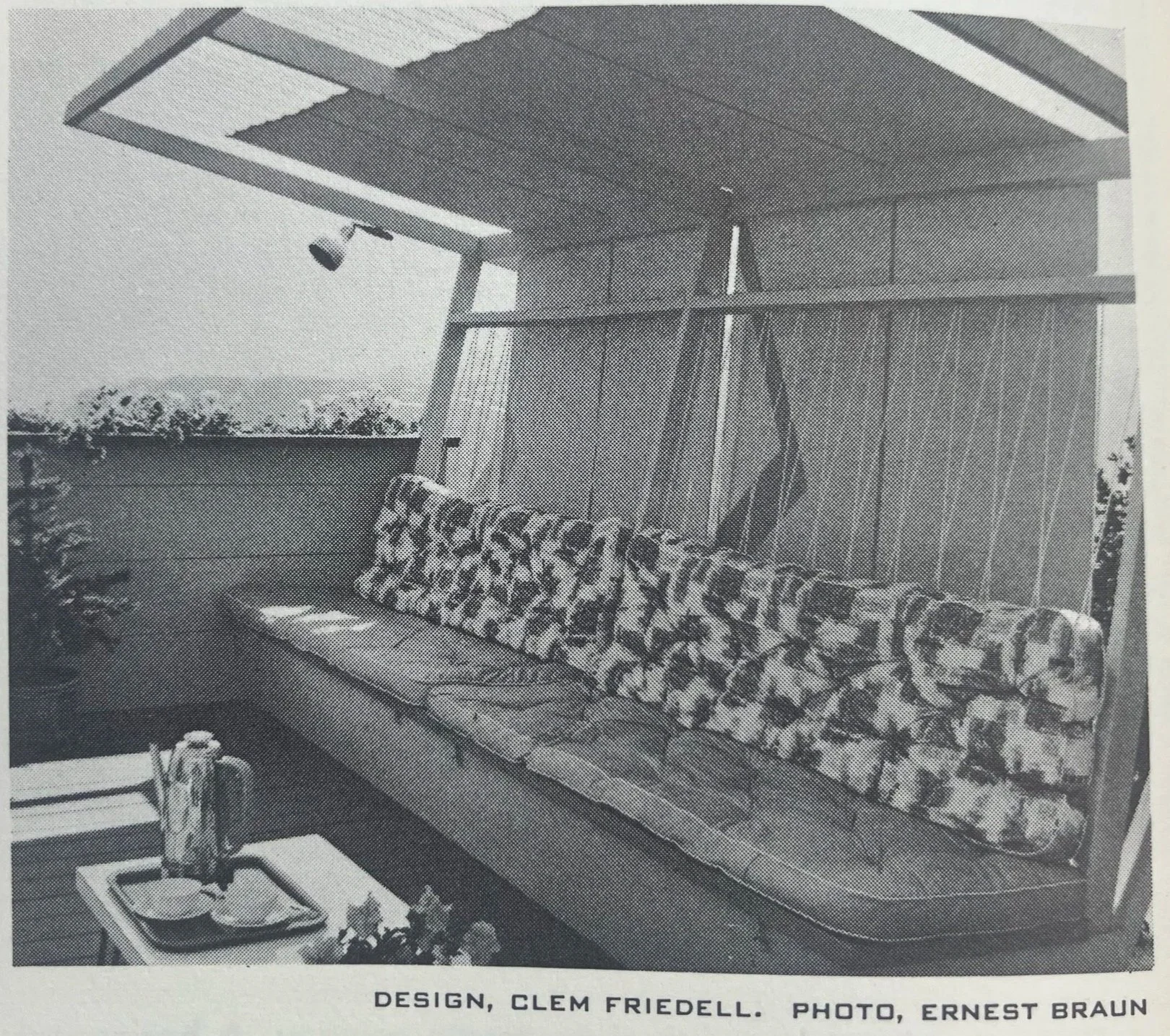
DISCOVERY #3: MULTI-FUNCTIONAL EVERYTHING
In our beloved collection of Sunset how-to guides (which cover topics as banal as fences, decks, and railings), we are struck by how multifaceted the designs are. A fence is combined with a trellis with a bench with a play pool to create something dynamic, inviting, and useful.
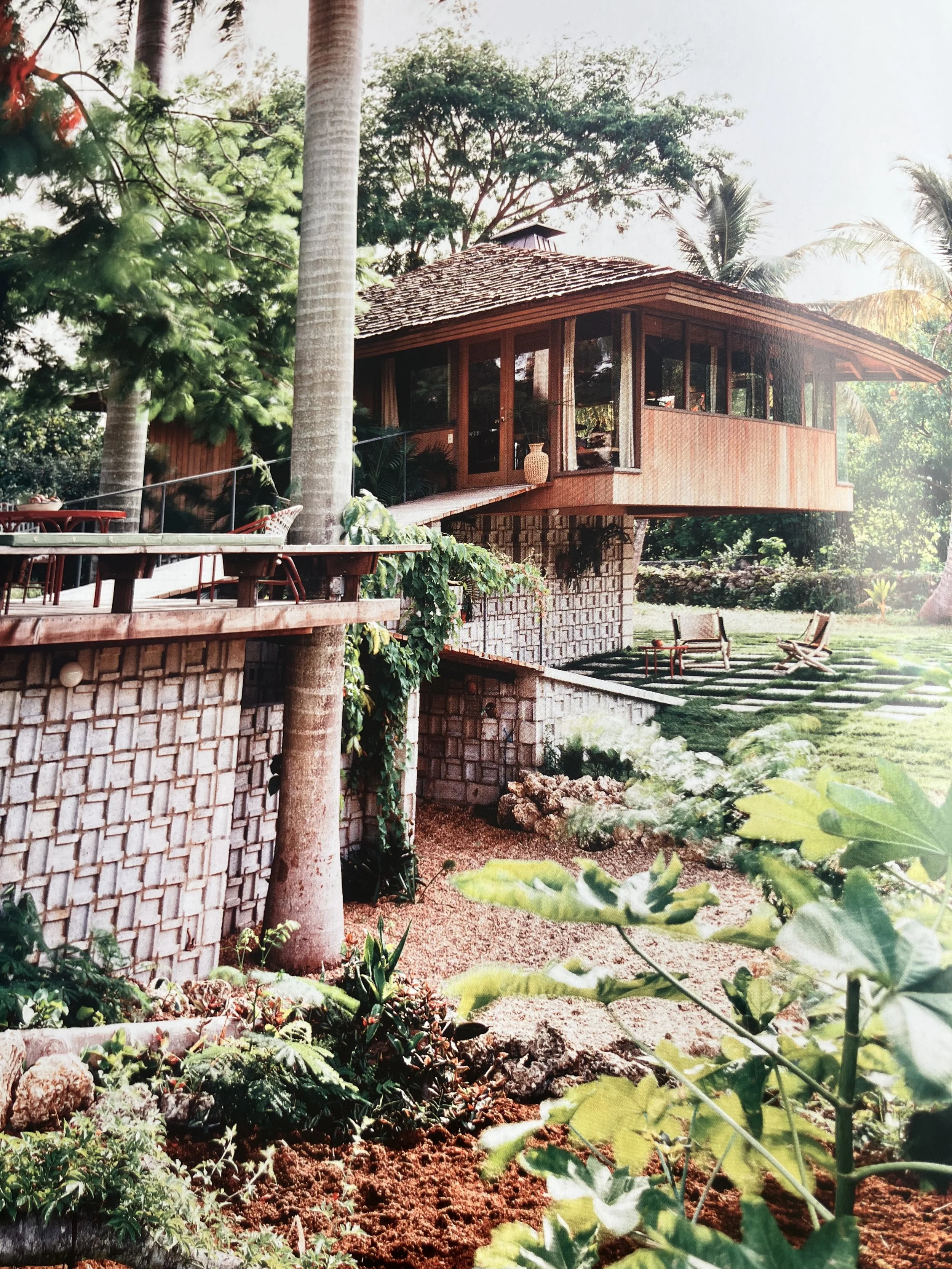
Mai tai, anyone?
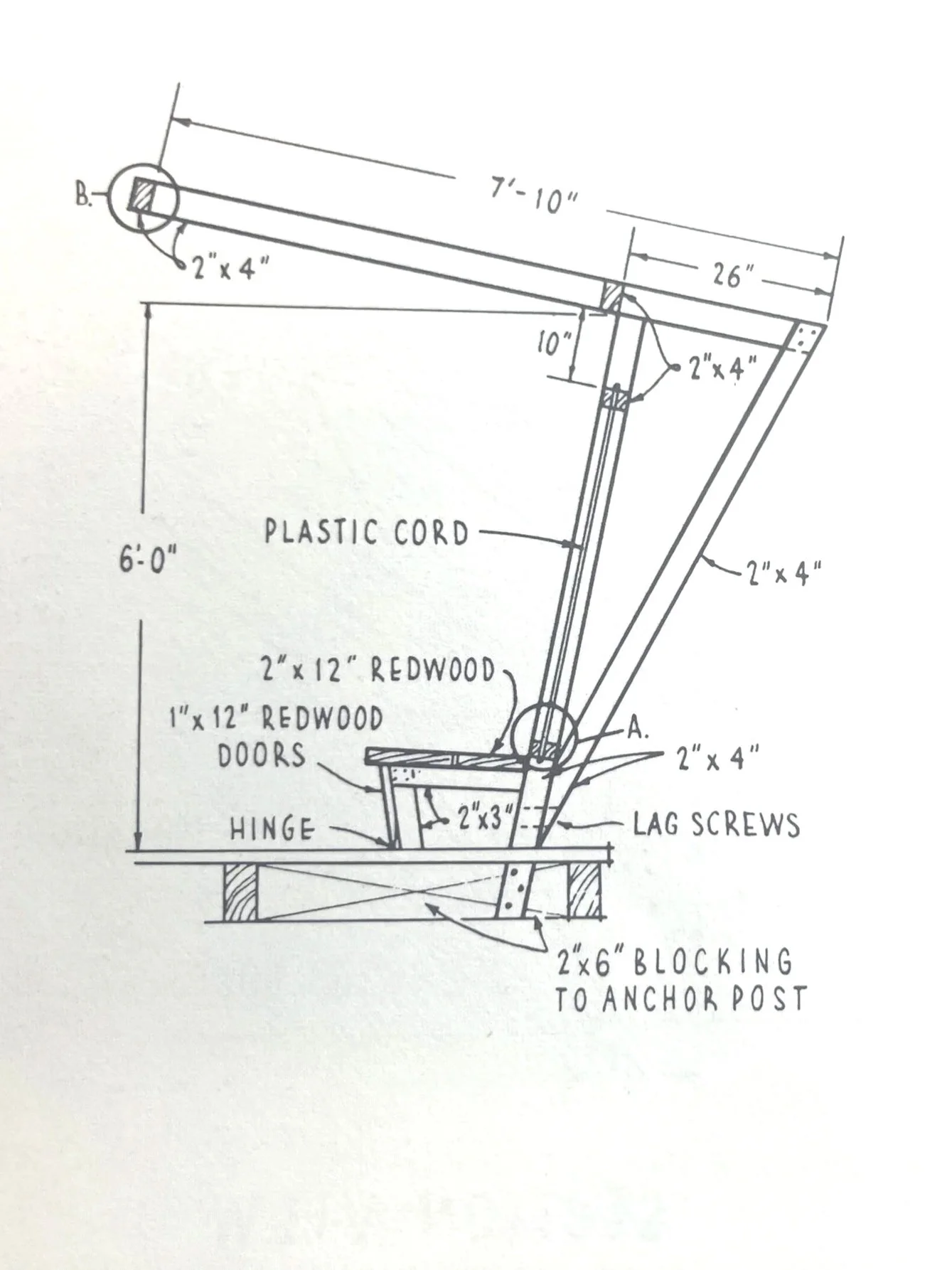
In full recline.
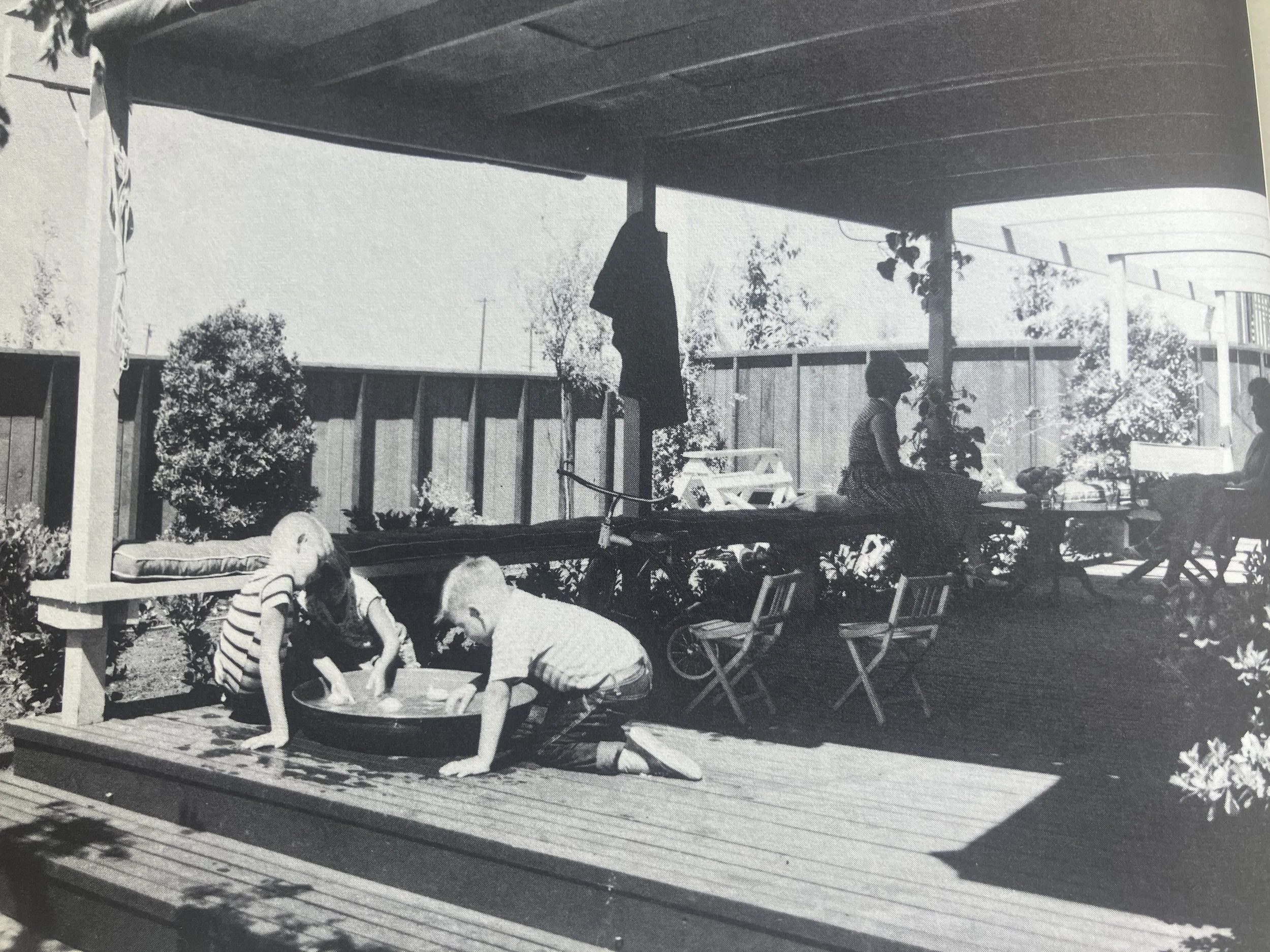
DISCOVERY #4: FORTRESSES OF LIFE
Many gardens covered by the design press today are compounds of the ultra-wealthy, designed as closed-door sanctuaries. These mid-century gardens by contrast are pointedly social: everyday spaces for growing up, exploring, conversing, reading, swimming, entertaining.
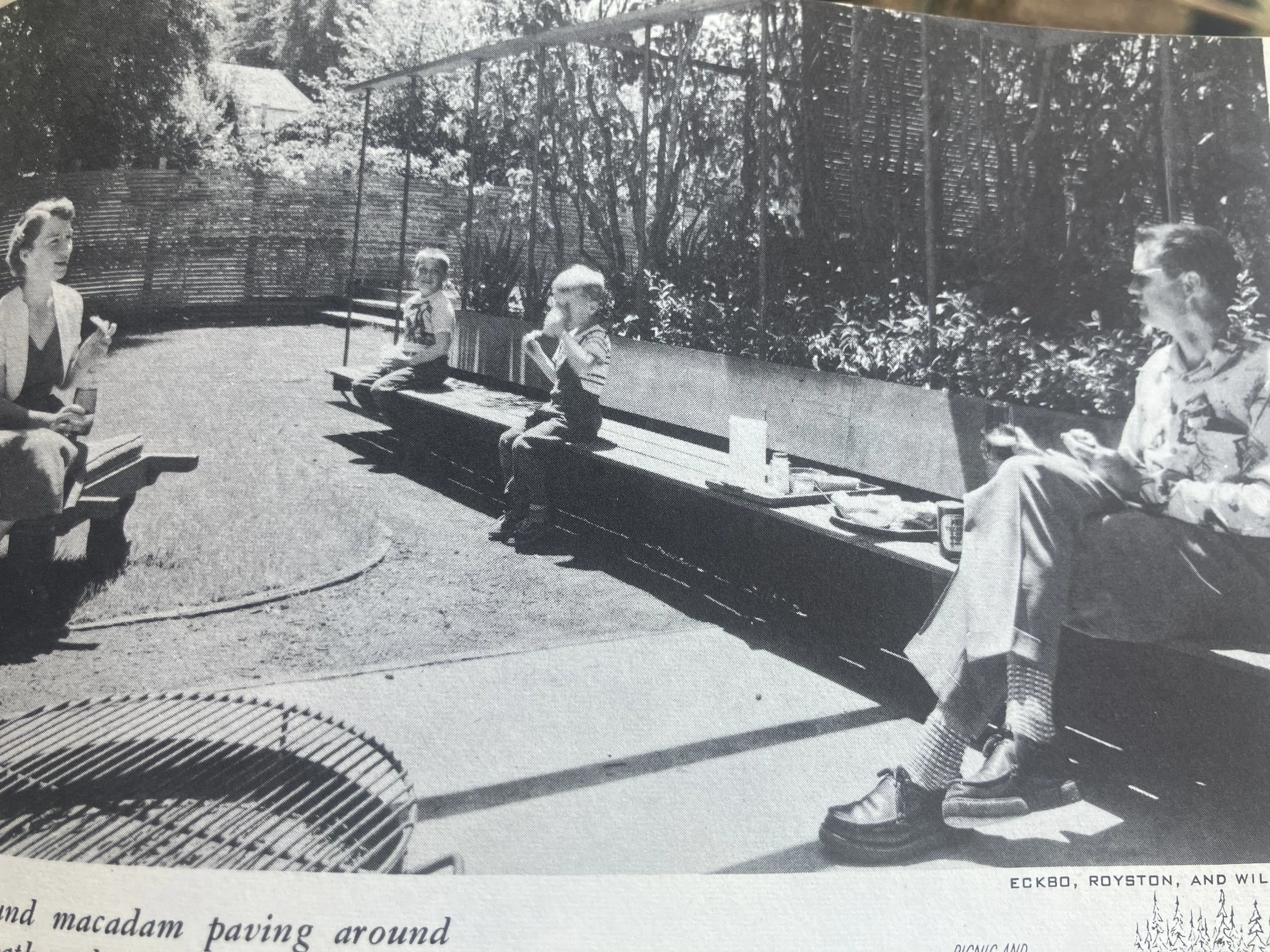
We can all use more open-invite garden parties in our lives.
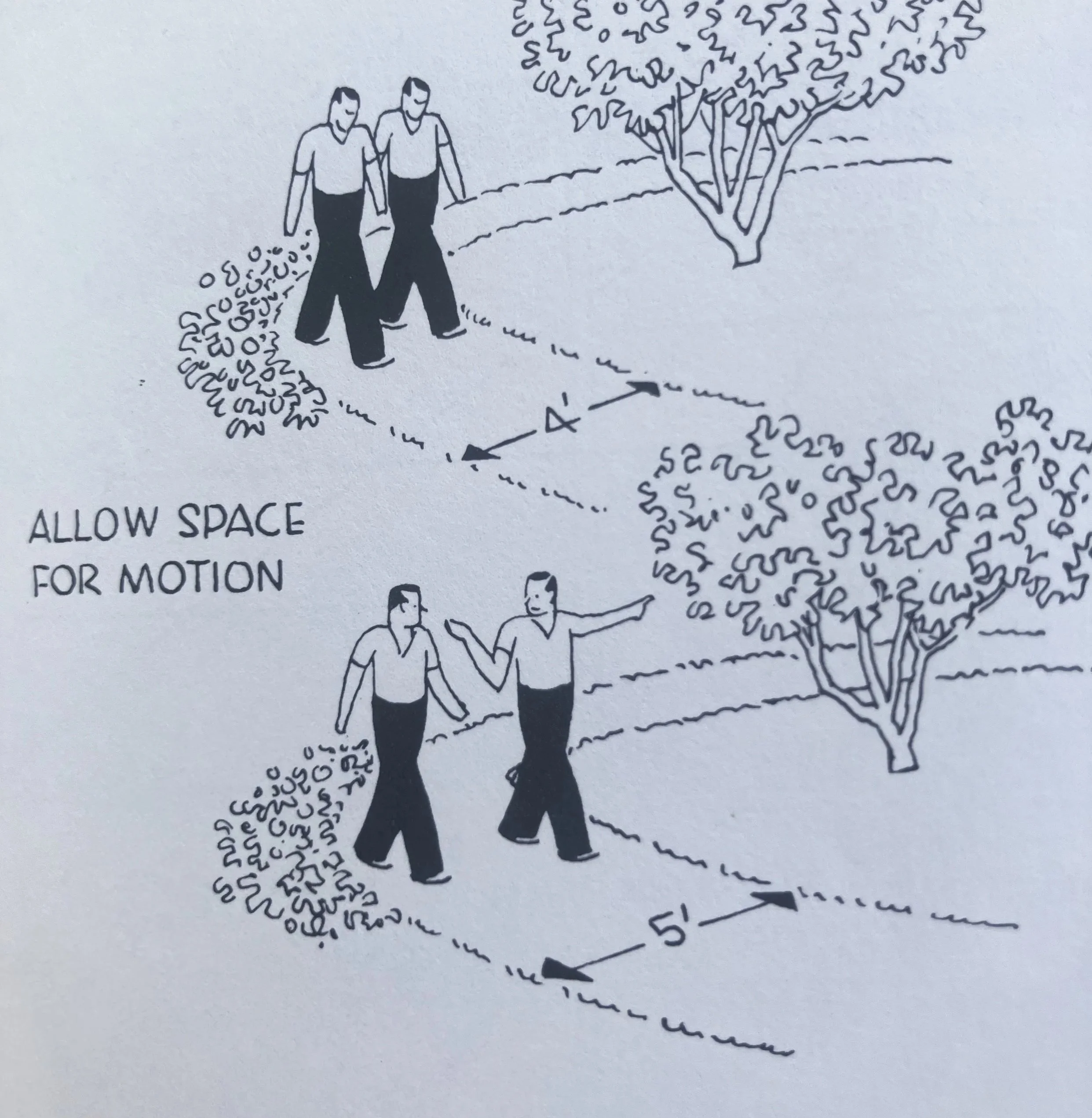
And walks with friends.
IN MEMORIUM | 5.26
For Sidney
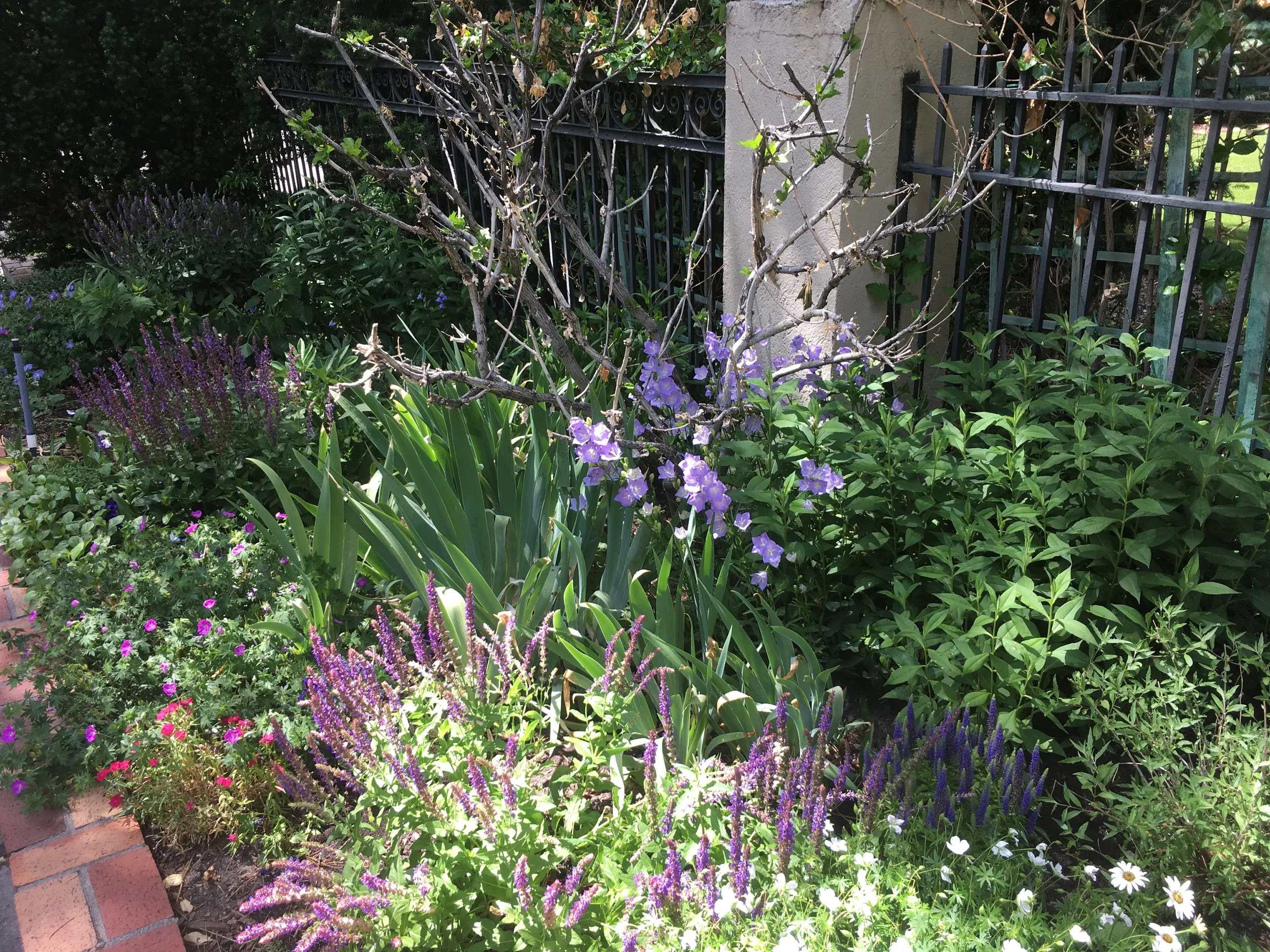
Sidney was our first client and the grandmother of a dear friend from college. Sidney was a force—at that time in her late 80’s—buzzing and bright, equally comfortable at the country club or flyfishing in the back country. I had just started this business and she told me she didn’t know what I did exactly but could use someone on their hands and knees in the garden. I took the job. Over three summers, I worked on her English-style garden, layering in perennials and natives, exploring Gertrude Jekyll color theory in the Intermountain West. Through the garden, I grew a friendship with Sidney, one that was grounding in the years following the passing of my own grandmother. I thank you, Sidney, for taking a chance on my barely real company, for allowing me to experiment in your beloved garden of 50+ years, and modeling a purposeful later life that will forever inspire.
Thanks for the read! The Summer issue will cover xeriscaping, food forests, and recent installs. If you prefer to opt out, please click the link below.
THE END