Colorado cottage-style garden rooted in family heirlooms
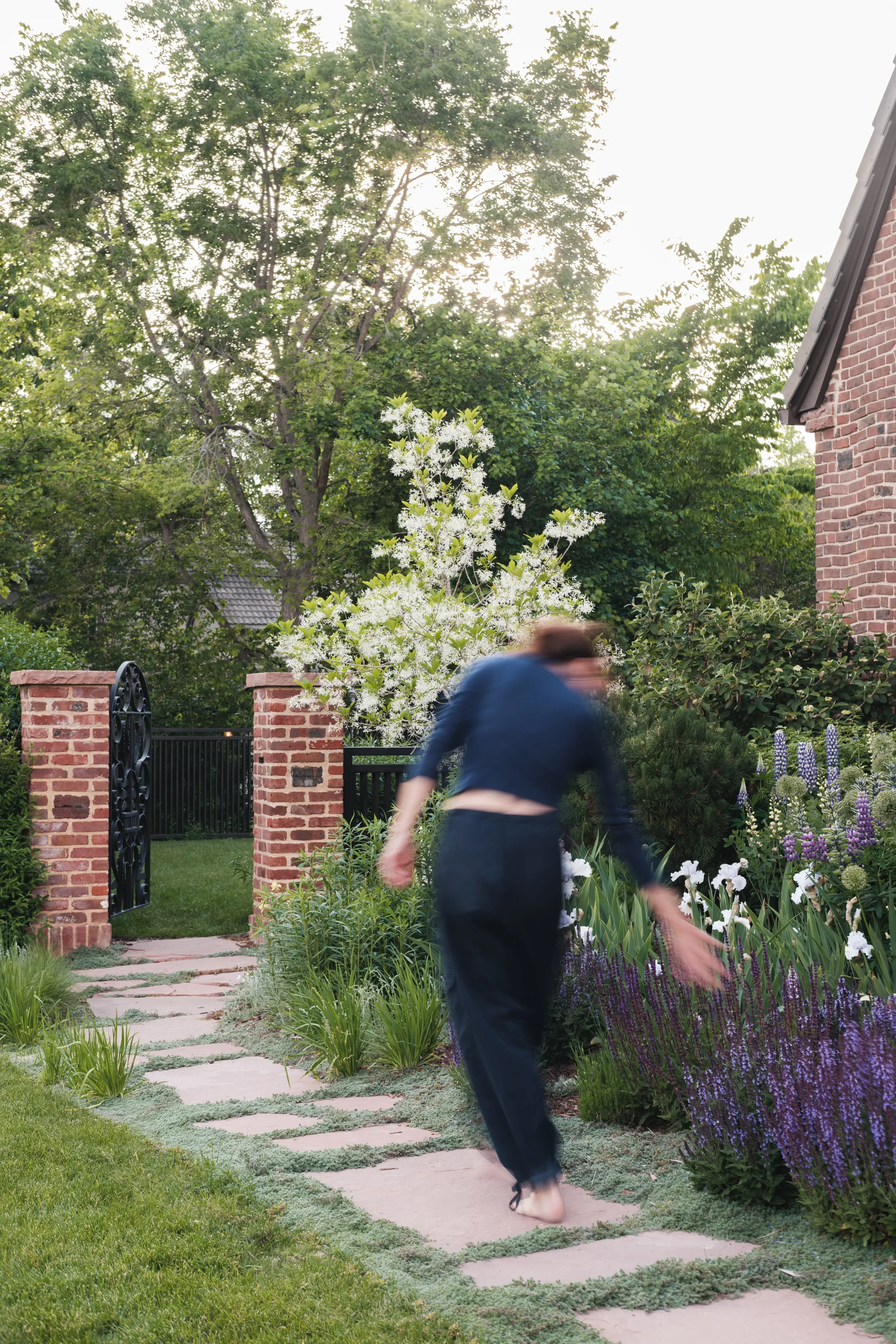
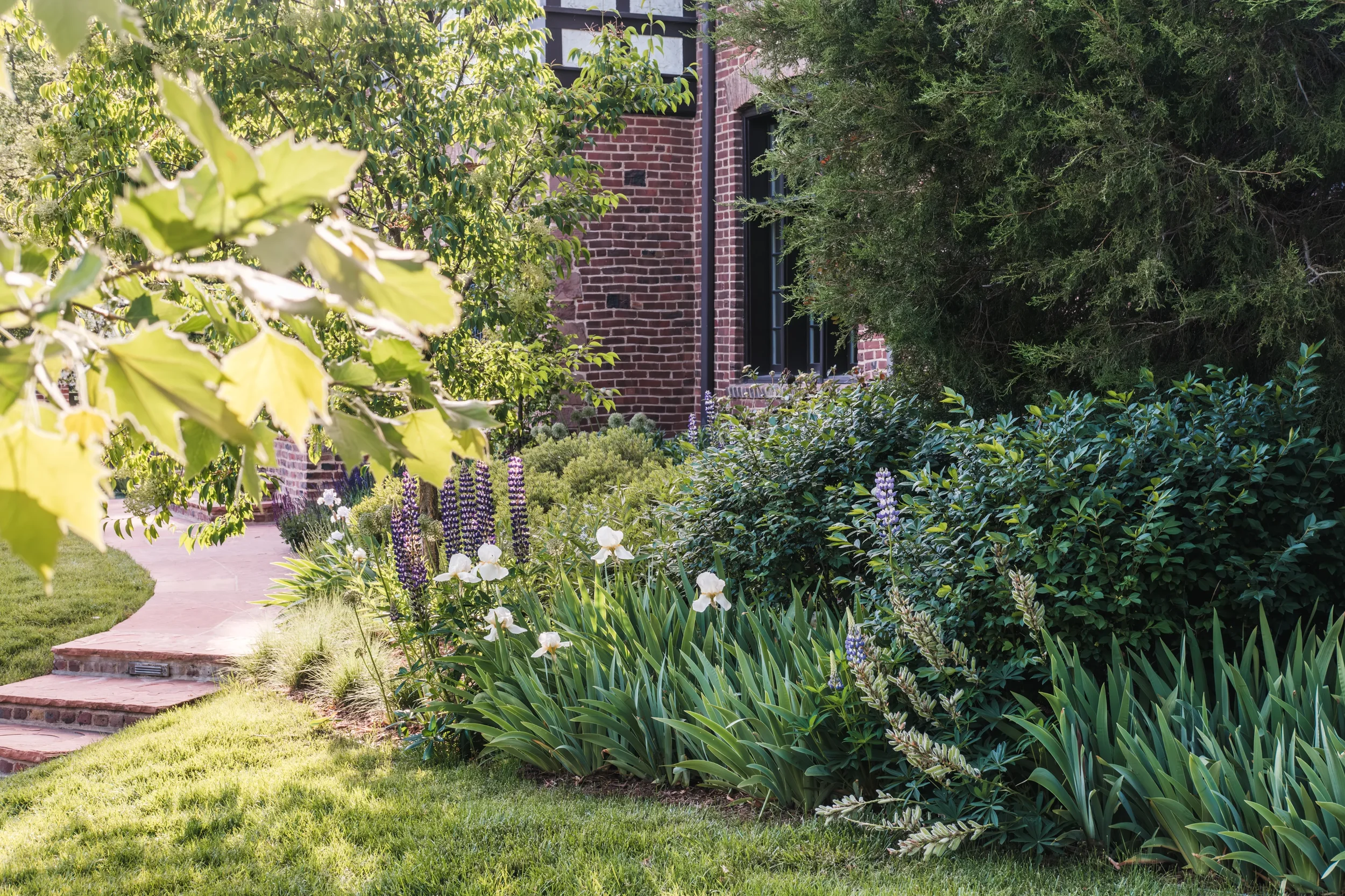
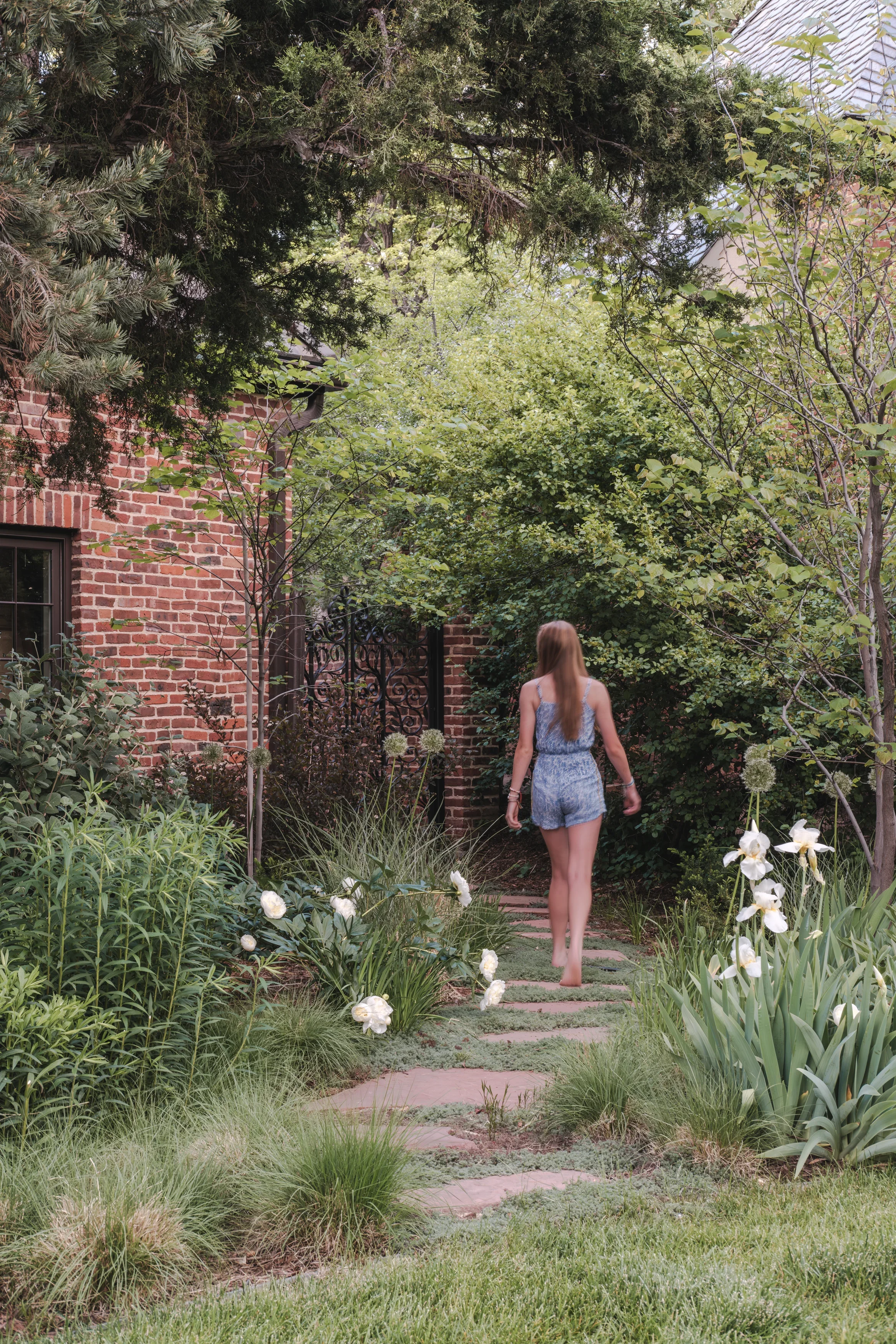
The name, Hawthorn House, is a nod to the ethos of this project: preserving and reframing the bones of the garden, rather than a blank slate approach. The side yard is flanked by a two-sided allee of hawthorn trees, cordoned from demolition by the client during an extensive remodel. They bring intimacy to the garden and act as a dialogue with the garden’s past. Located in Denver, Colorado, the garden frames a 1920’s Tudor Revival house. The flagstone paths and metalwork complement the period architecture through use of locally quarried sandstone.
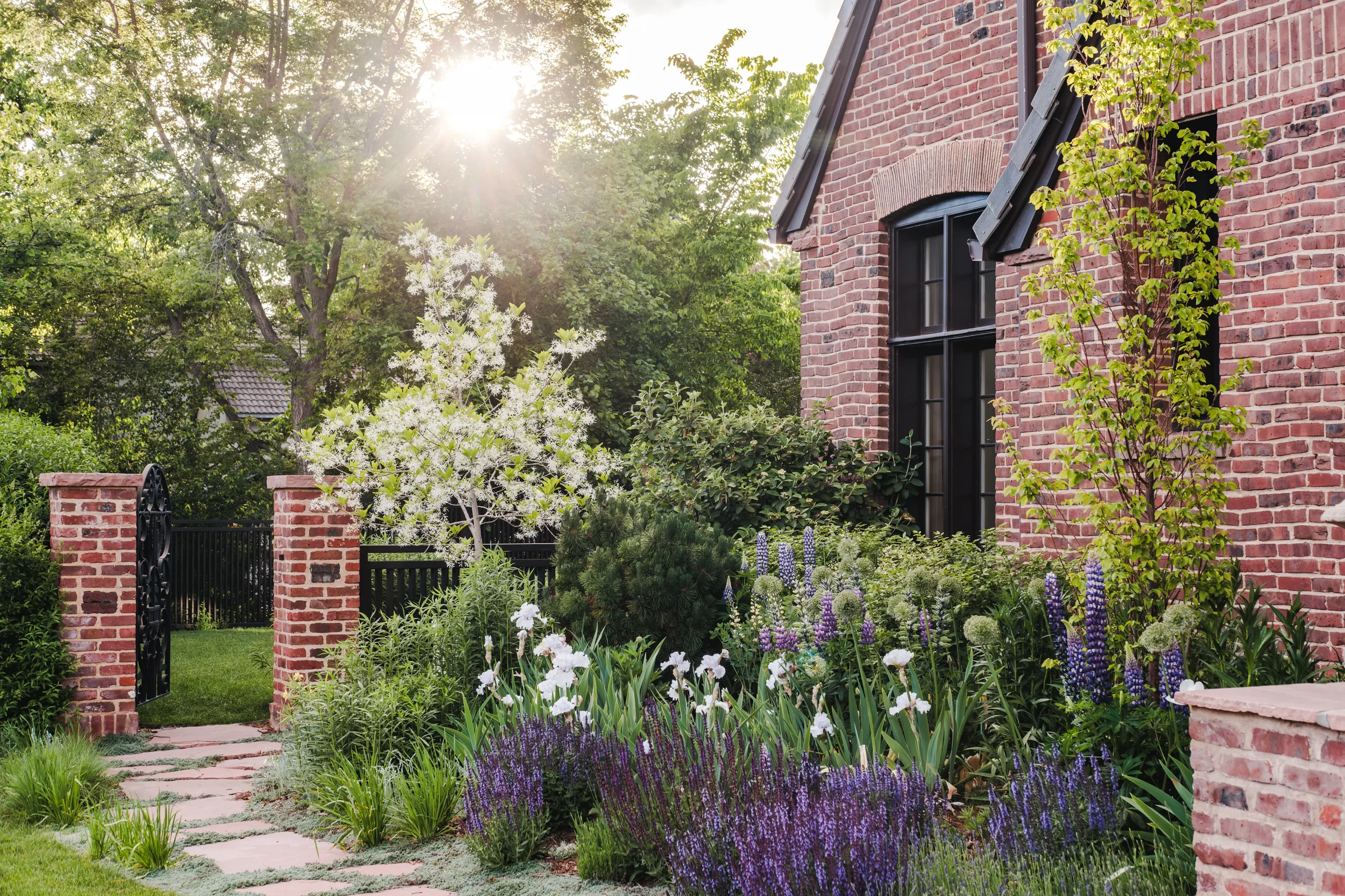
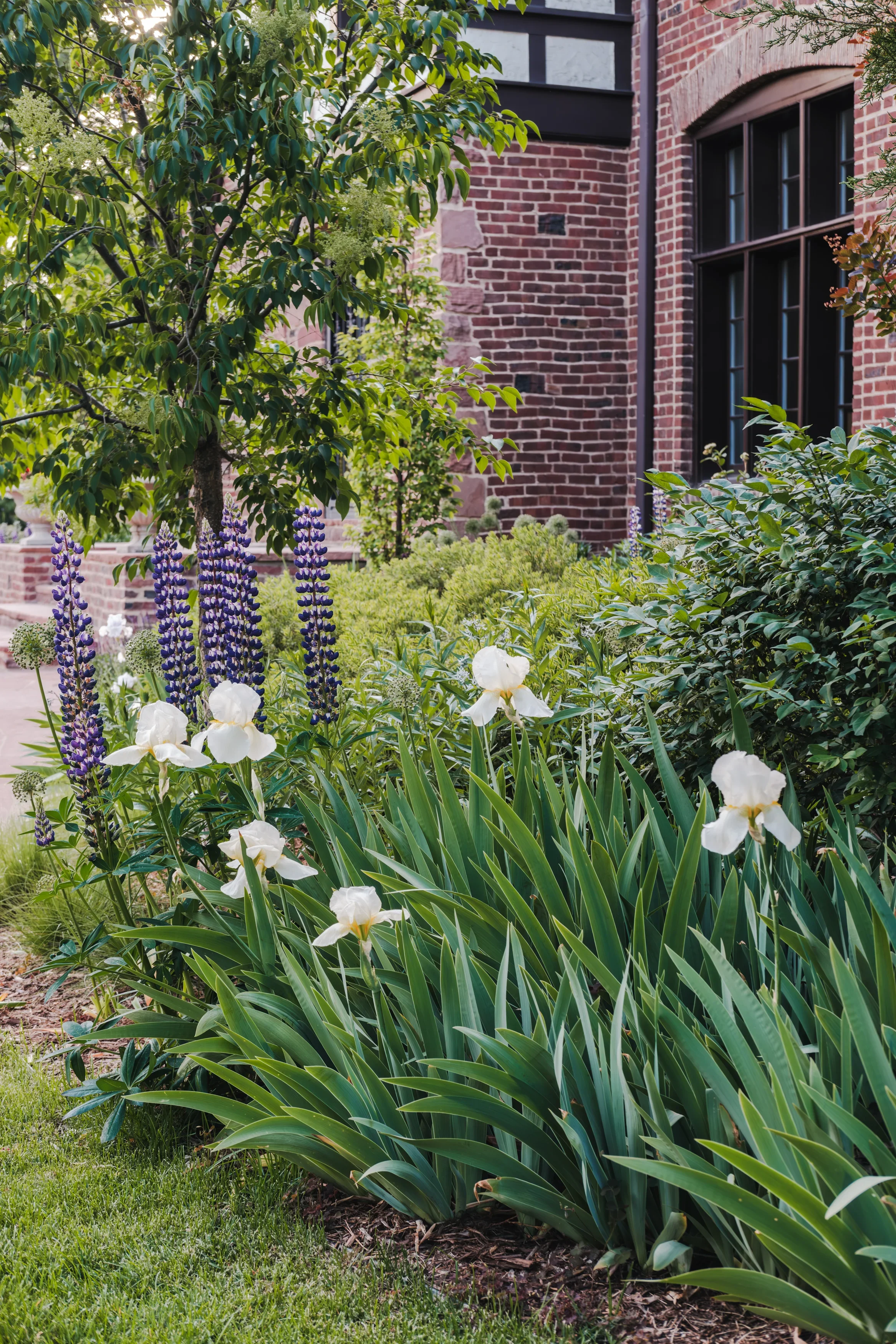
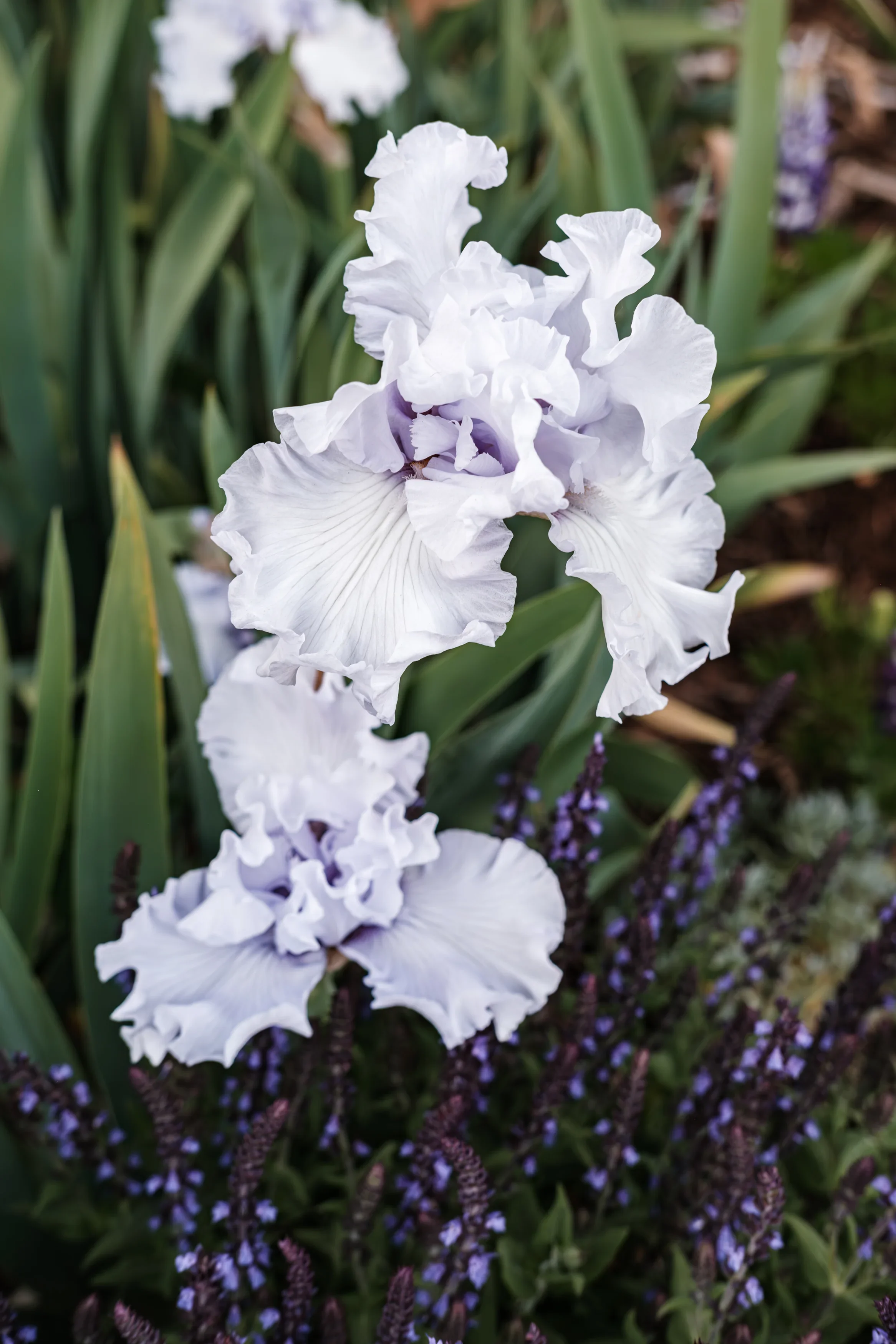
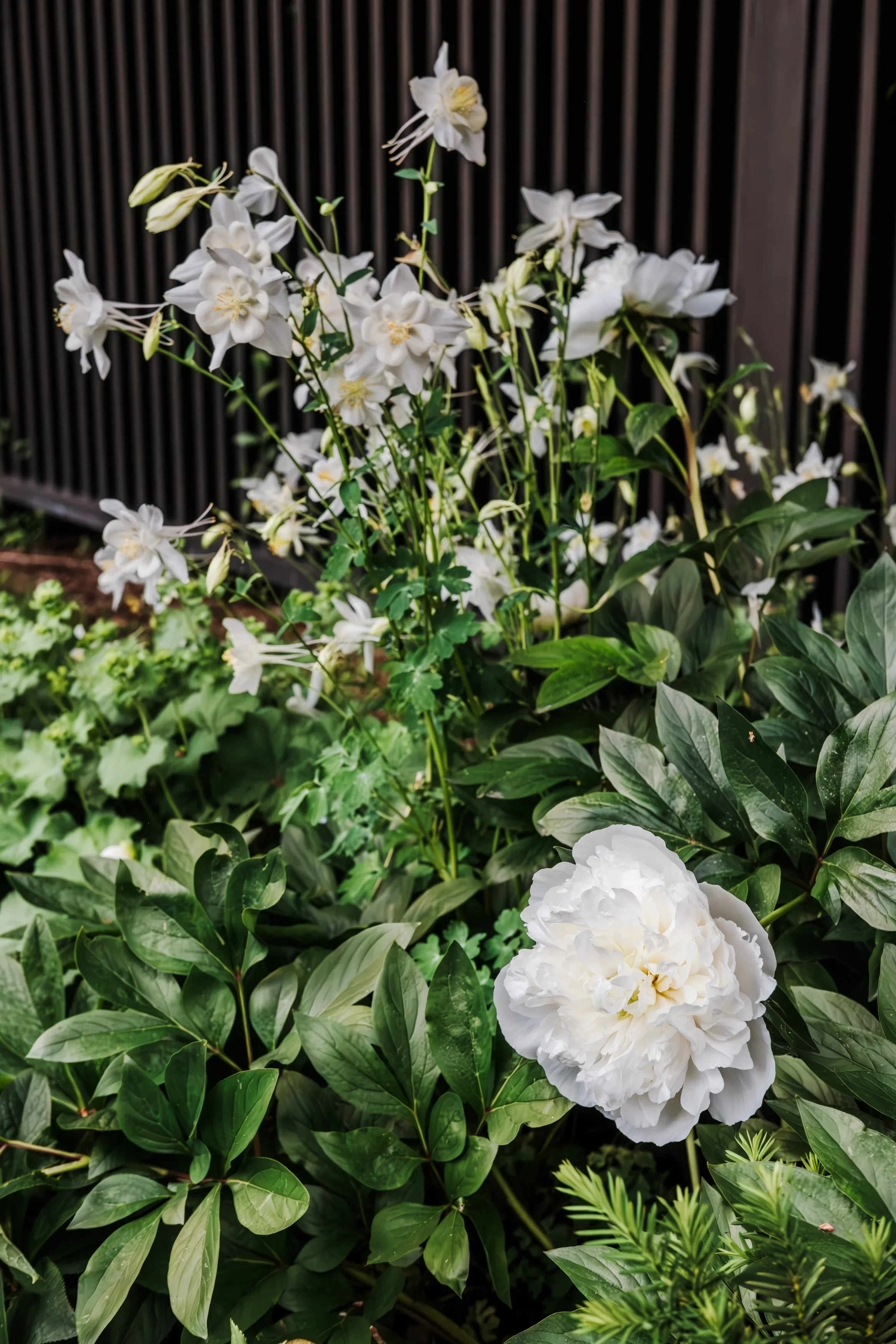
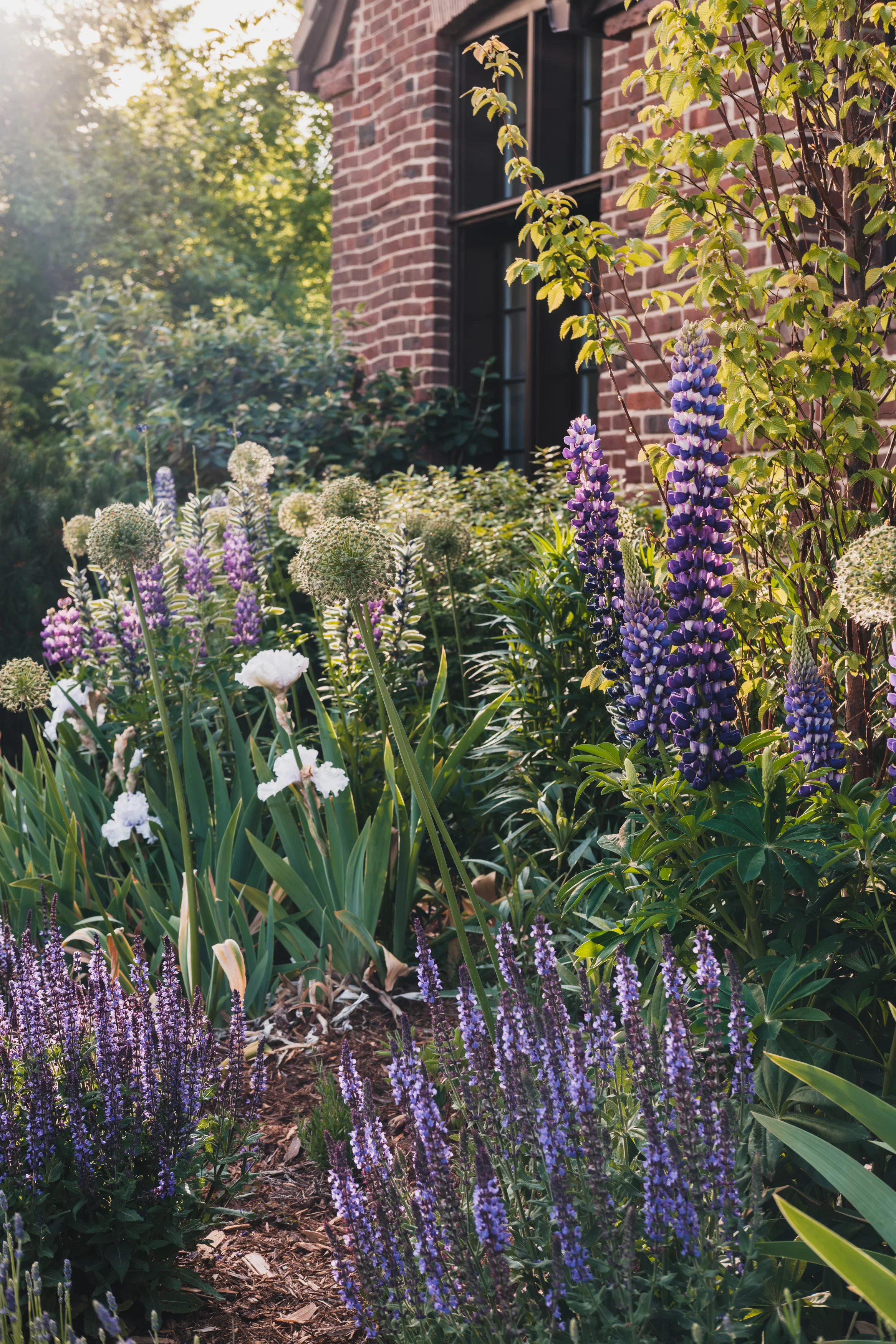
The garden displays a sizable collection of white irises—Immortality among others—inherited from the client’s mother. We paired these with Mt Everest Alliums (Allium 'Mount Everest'), pale yellow Bartzella Itoh Peonies (Paeonia x 'Bartzella'), and a Fringe Tree (Chionanthus retusus) centered in a dining room window, anchored by evergreen shrubs.
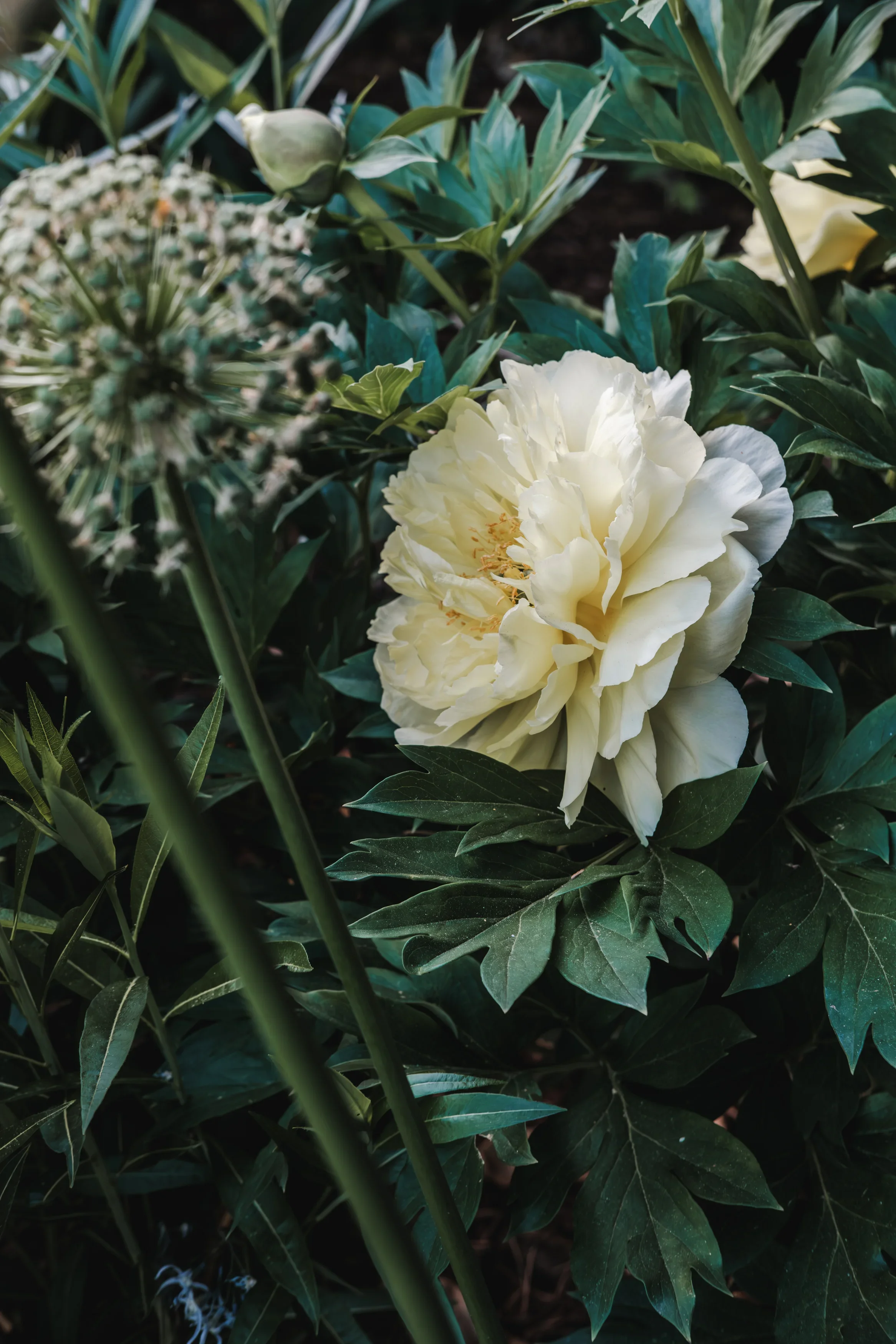
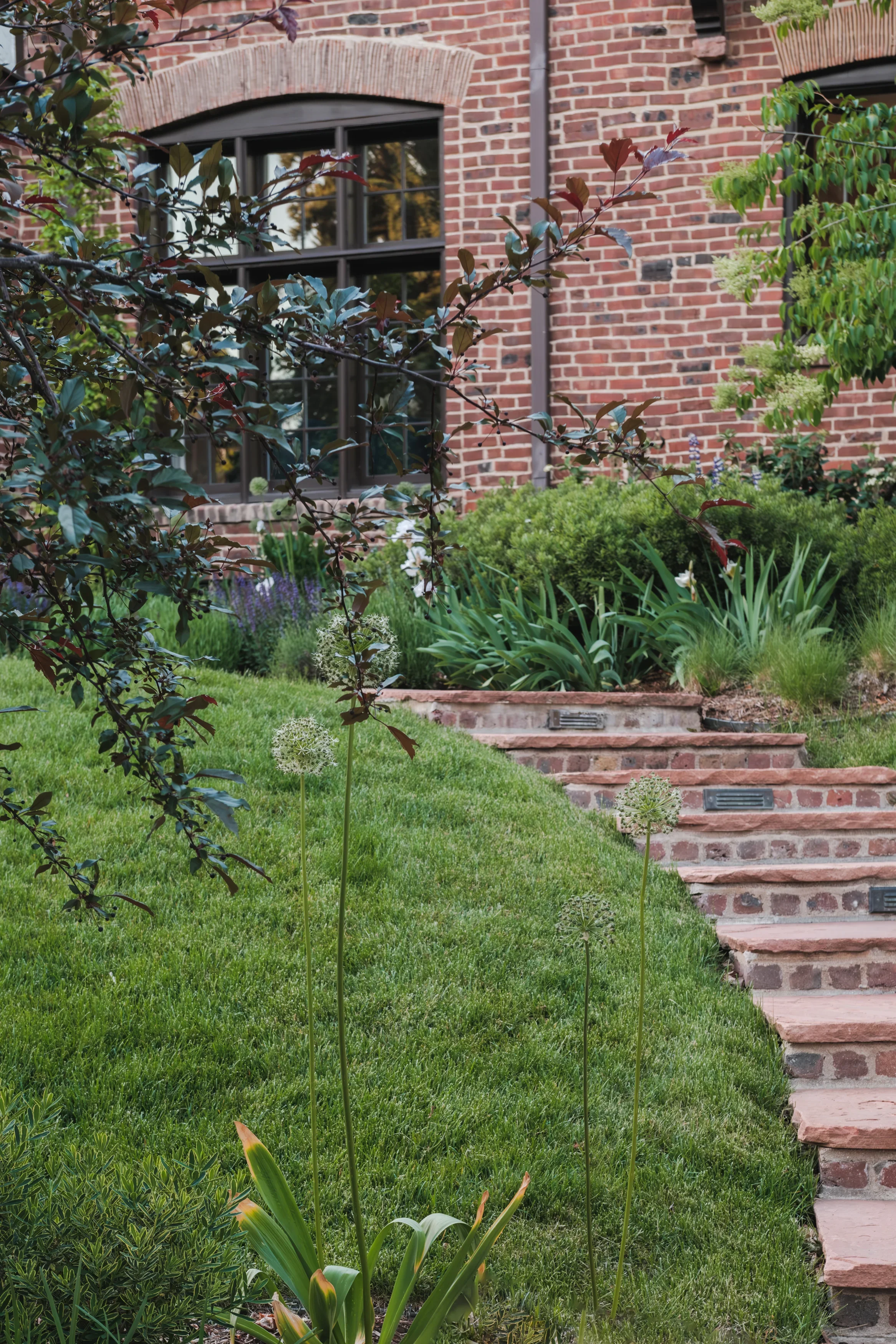
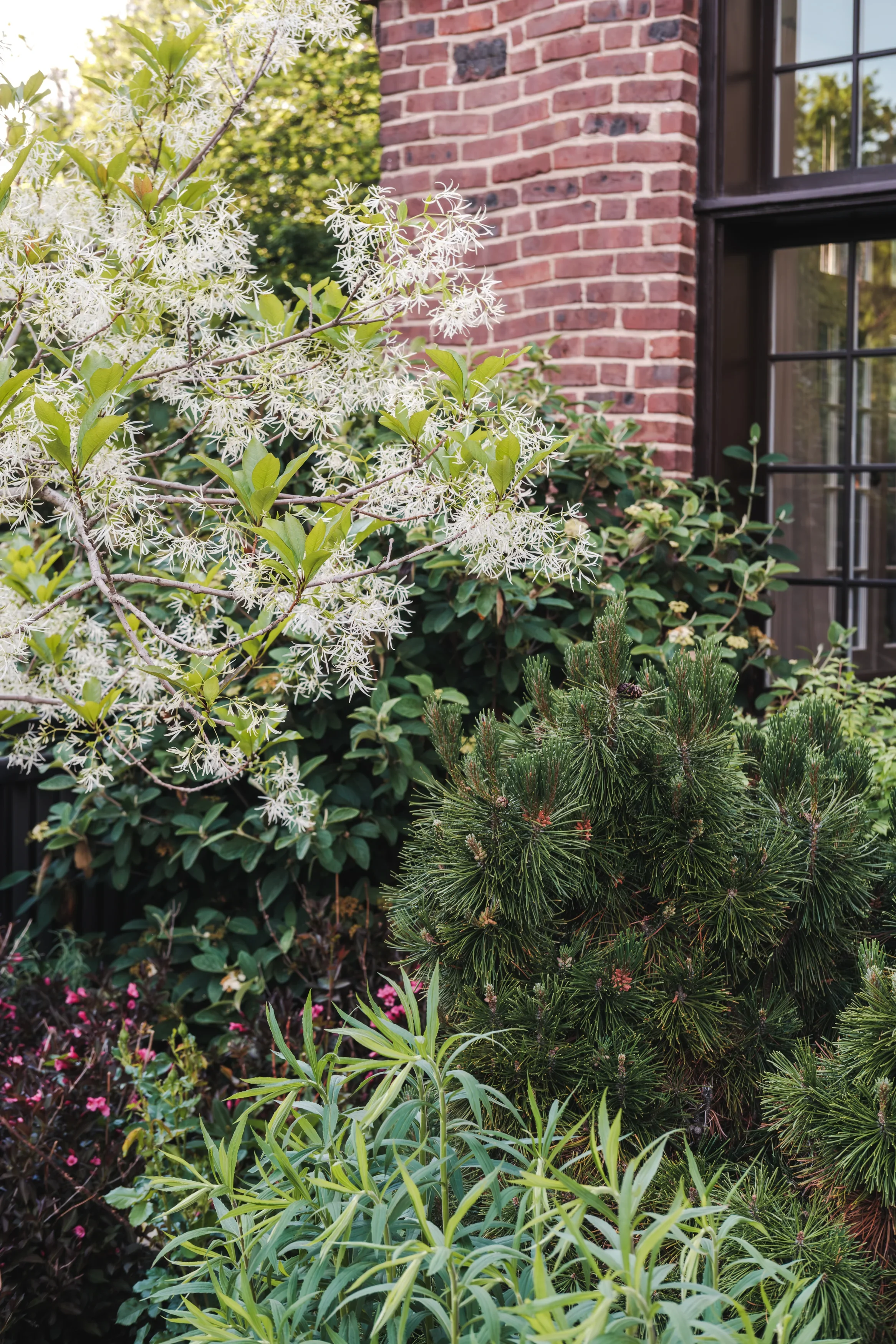
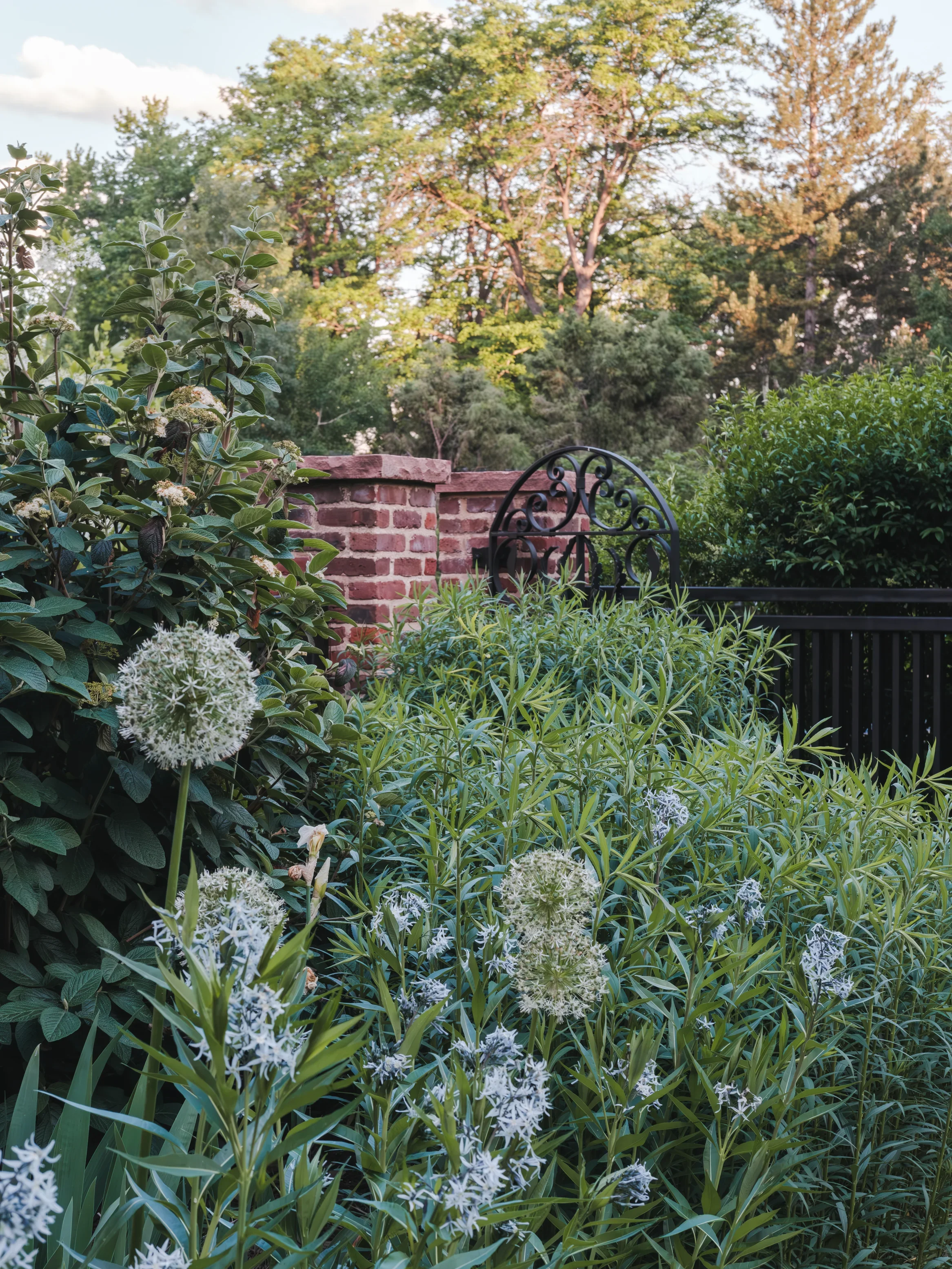
The color scheme of this garden shifts over the growing season from cool tones to warm. With early blooms of Governor’s Lupine (Lupinus polyphyllus 'The Governor'), Eastern Bluestar (Amsonia tabernaemontana) and May Night Salvia (Salvia nemorosa 'May Night'), transitioning to late blooms of Showy Goldenrod (Solidago speciosa), Sunset Hyssop (Agastache rupestris), and Prairie Ironweed (Vernonia fasciculata). White is used as a highlight to bridge across seasons, from Mt Hood daffodils (Narcissus ‘Mt Hood’) to Honorine Jobert anemones (Anemone' ‘Honorine Jobert’).
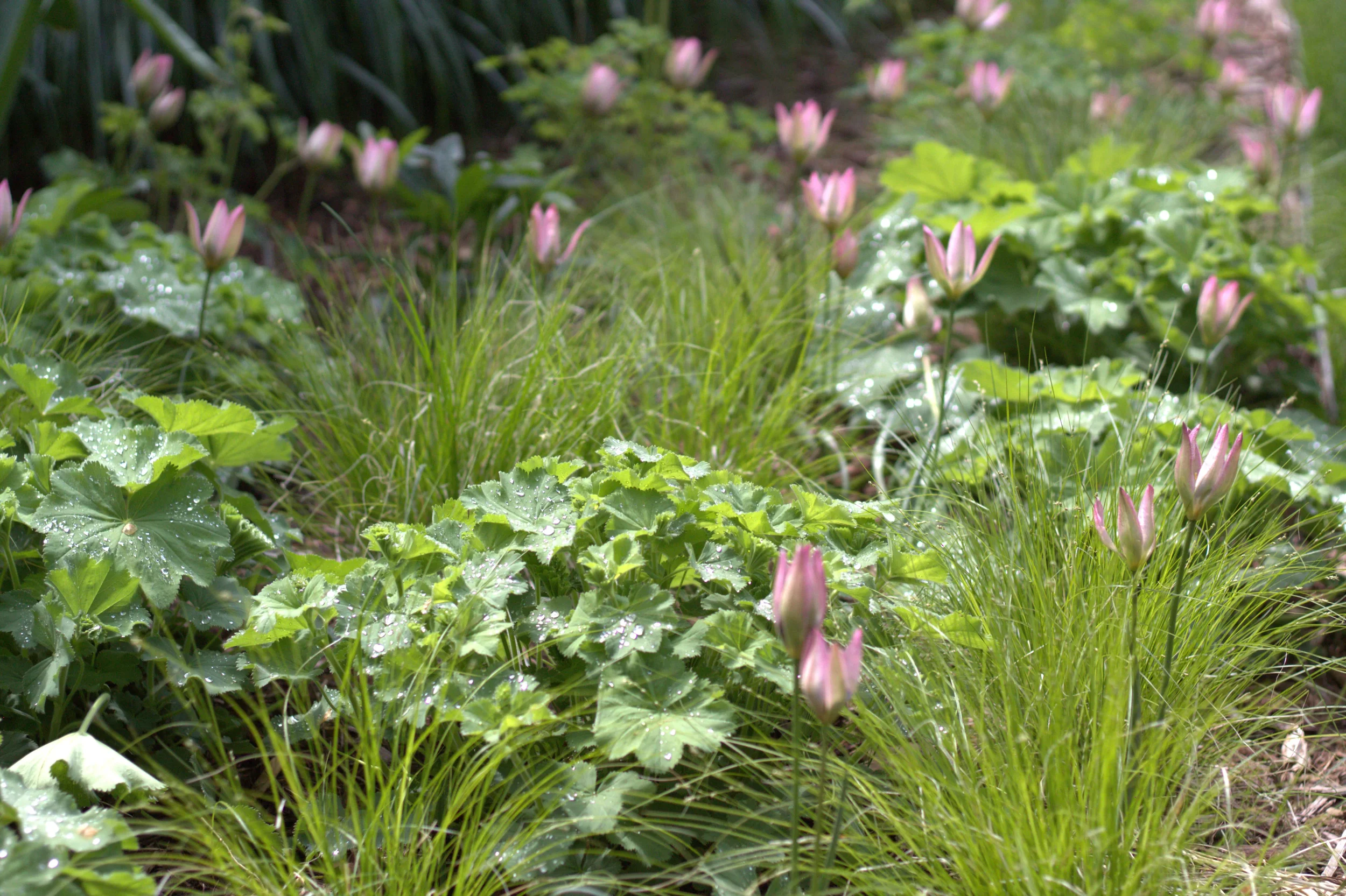
These adaptive species are complemented by an underplanting of native species, including Prairie Dropseed (Sporobolus heterolepis), Blue Grama Grass (Bouteloua gracilis), Nodding Onion (Allium cernuum), Paprika Yarrow (Achillea millefolium 'Paprika') and Smooth Blue Aster(Symphyotrichum laeve). There is quiet abundance in the spring brought by white early bloomers.
Photos by Daniel Jenkins
A newly forged wrought iron gate acts as a modern riff on a family heirloom—a larger gate passed down between generations. A pair of off-center Eastern Red Bud (Cercis canadensis) trees frame the path towards the antique gate. Elfin Creeping Thyme (Thymus serpyllum 'Elfin') is used throughout to nest the flagstone stepping stones into the planting. Many of us move house-to-house with (indoor) family antiques but doing so in the garden has a grounding power, a weathered anchor among so much other new life.